


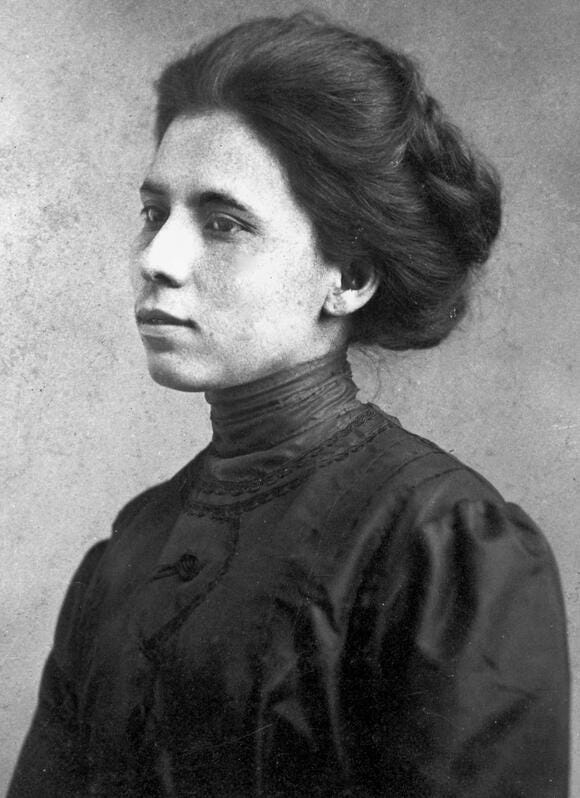
(This article is published just ahead of Cinco de Mayo in honor of a pioneer border woman whose story is left out of far too many accounts of Texas History).
Jovita Idár is likely the bravest Texas woman you’ve never heard of.
She was born in Laredo in 1885, one of eight children of Nicasio Idár, the publisher of La Crónica. Idár grew up in an atmosphere where the plight of the Mexican-American community was consistently discussed - at the family dinner table and at the family business.
She set out to be a teacher in the nearby community of Los Ojuelos, only to find the segregated Mexican-American school lacking funding for essentials like books, paper, and pencils. Some students had no place to sit but on the floor.
Idár was determined to change things for the better for Mexican-Americans in Texas and concluded she could best do that by joining the family’s newspaper.
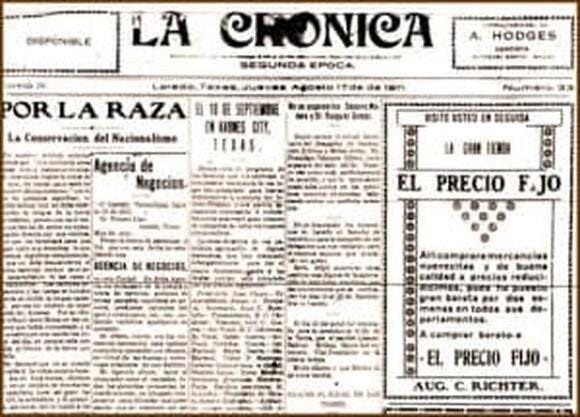
La Crónica often railed against inequality and discrimination experienced by Mexican-Americans in turn-of-the-century South Texas. Many of those articles were authored by Jovita Idár, albeit under various pen names.
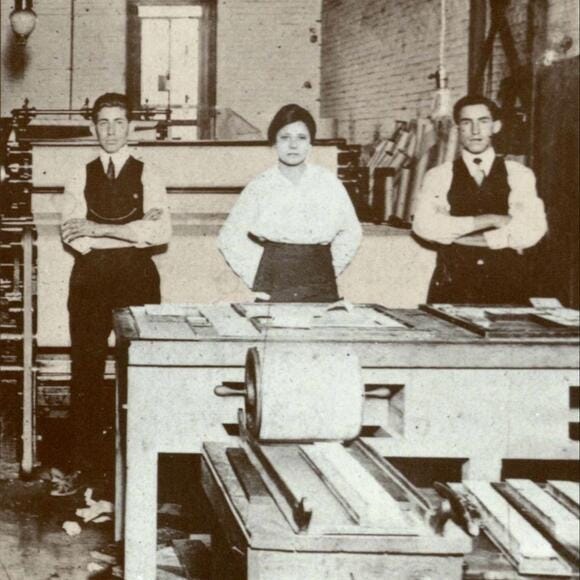
Jovita Idár wrote about equal rights for women, in addition to exposés about the poor living and working conditions faced by Mexican-Americans in South Texas.
In 1911, the Idár family organized El Primer Congreso Mexicanista to discuss Mexican-American Civil Rights in Laredo. Jovita Idár also co-founded La Liga Femenil Mexicanista (the League of Mexican Women). La Liga held study sessions for women in both Laredo and Nuevo Laredo and opened free bilingual schools on both sides of the border.
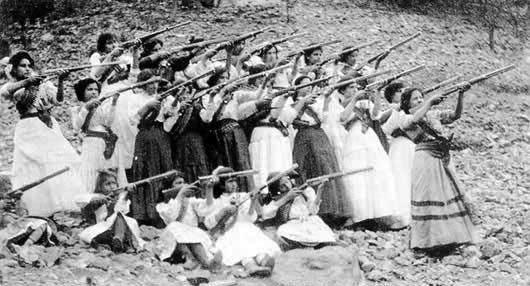
This was also the time of the Mexican Revolution. Idár joined La Cruz Blanca (The White Cross). Idár recruited Mexican-American women to cross the border as volunteer nurses in support of the revolutionary army.
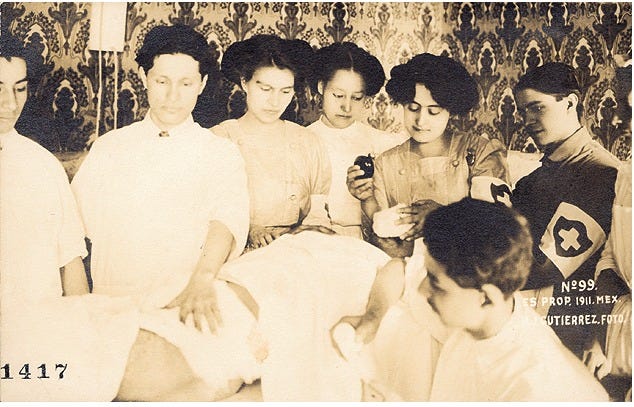

Jovita Idár began writing for the newspaper El Progreso (The Progress) following her return to Texas from Mexico. After the newspaper published an editorial criticizing President Woodrow Wilson for sending U.S. troops to Veracruz, the Governor of Texas dispatched Texas Rangers to Laredo with orders to shut down the newspaper.
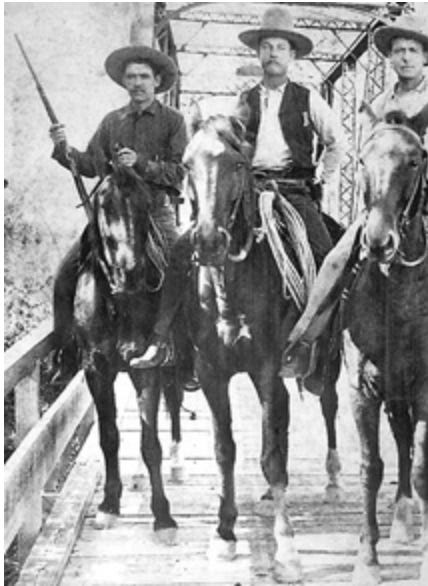
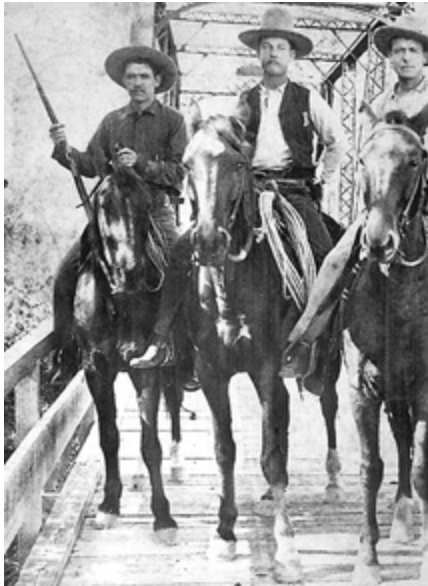
The rangers were met at the door of El Progreso by Jovita Idár, who physically blocked their entry. The rangers retreated - only to return when she was out of the office and destroyed the newspaper’s printing press as well as ransacked its newsroom.
Undaunted, Idár returned to her family’s newspaper and became editor and senior writer at La Crónica upon the death of her father in 1914. She founded another newspaper, Evolución, two years later, which she ran until 1920, when it was turned over to her brothers.
Jovita Idár moved to San Antonio in 1921, where she founded a free kindergarten, volunteered in a hospital as an interpreter, and returned to her journalistic roots by co-editing El Heraldo Cristiano in 1940. She passed away there at sixty years of age in 1946.
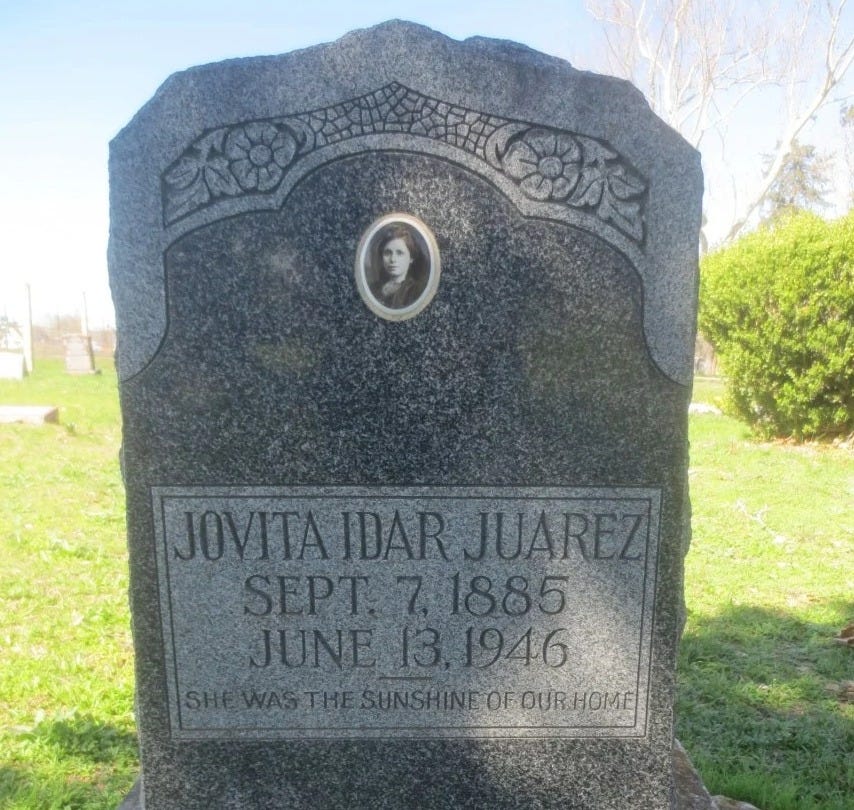
In the decades that followed her death, Idár’s story has not often been retold. But there are attempts to right that wrong.
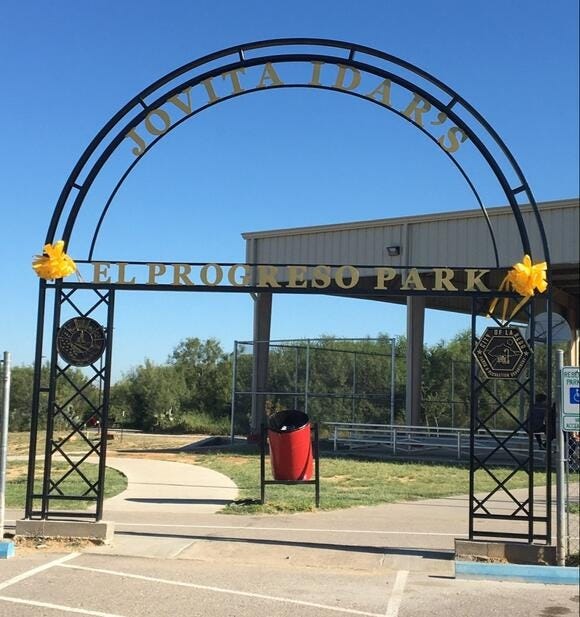
In 2020, the city of Laredo renamed a 69-acre park in honor of Jovita Idár, and the renegade newspaper she bodily protected from the Texas Rangers.
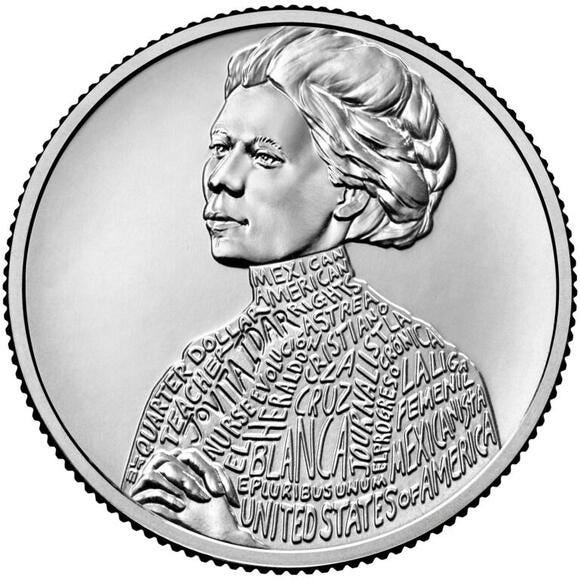
Idár's memory is further honored by the U.S. Mint, which struck a coin featuring her image. The Jovita Idár Quarter is the ninth coin in the mint's American Women Quarters Program.
Are you interested in more stories like this about US Border Hispanic Heritage?
I recommend the following stories from the “Culture & History” section of US Border News:
People still seek his blessing 115 years after his death.
General Richard Cavazos has been posthumously awarded the Medal of Honor
(Also a warning about “Mexican Pickles” & “Mexican Ketchup”)
Six-time Grammy Winner Remembered
Proof that barriers are made to be broken.
¡Abrazos y feliz Cinco de Mayo mañana!
Jack Beavers


thank you for this educational read
Mr. Beaver,
Mrs. Idar was obviously a brave and dedicated woman but wouldn't she have done more good for women in Mexico than in Texas? Is it because her work could happen in the U.S. and not in Mexico? Why is that?