


(Here’s another US Border News article for Hispanic Heritage Month, albeit one that’s really spooky!)
Texans are known for tall tales, but some Texas folklore is downright frightening— and some swear it’s real!
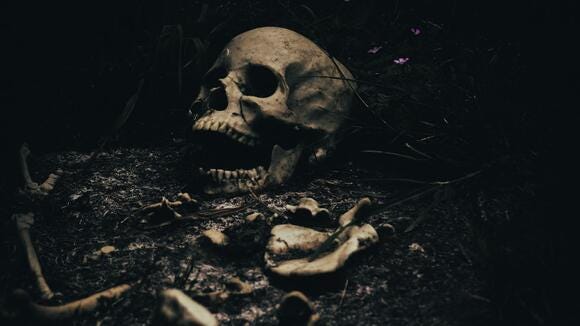
Growing up in South Texas, I heard my share of spooky tales but only encountered one of them myself - well, maybe.
La Lechuza (Barn Owl Witch):
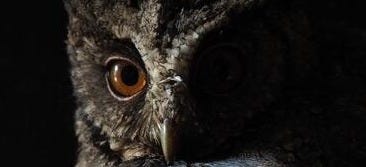
I’ve seen my share of Las Lechuzas (which means barn owls in Spanish), but some of my more superstitious friends warned me I may have been in the company of witches. As the story goes, an old woman (a witch) shape-shifts into a giant owl, La Lechuza, to take revenge on people who wronged her during her life.
La Lechuza was so feared that a giant owl actually made headlines in South Texas during the 1970s for terrifying residents of Alice, Banquete, and Robstown (where the local paper reported she liked to hang out in a wooded area west of town near Bosquez Street and Rabb Road). Eventually, she flew off to the residents’ relief and reporters' disappointment.
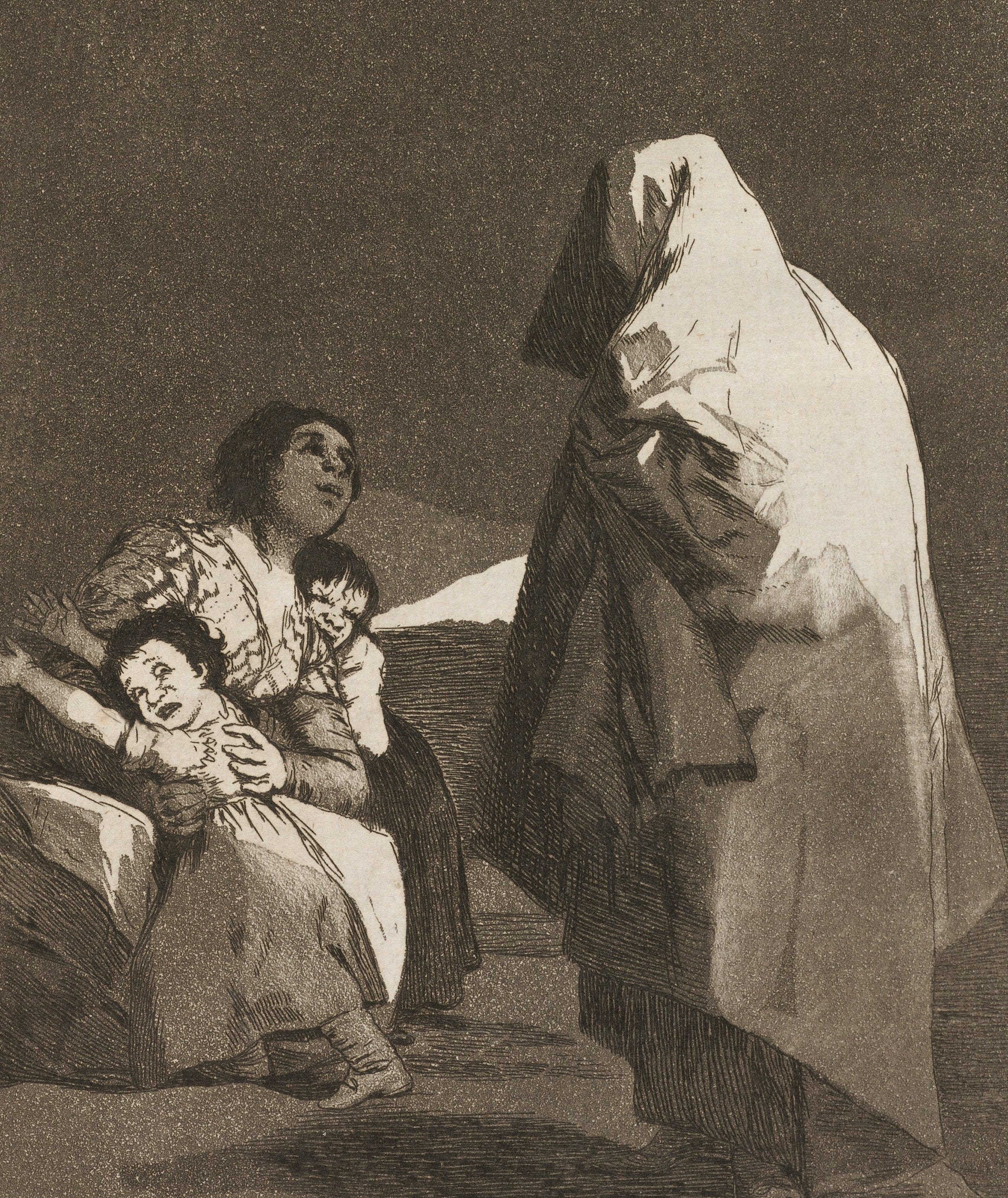
#/media/File:Francisco_de_Goya,_Que_viene_el_coco_(Here_Comes_the_Bogey-Man),_published_1799,_NGA_7459.jpg)
El Cucuy (The Hispanic Boogeyman):
El Cucuy (who goes by many names in Hispanic Culture on many continents, including our own) also has a special place in South Texas folklore. He is the Hispanic equivalent of the “Boogeyman” and is said to lurk in closets, under beds, or deep inside South Texas mesquite thickets with glowing red eyes. This "monster," according to tradition, will come to the house of disobedient children at night and take them away.
El Chupacabra:
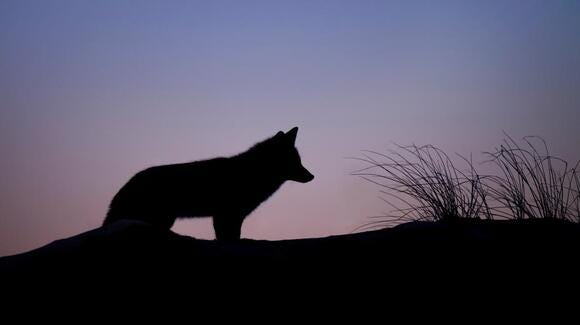
Which brings us to the more famous tales of the feared Chupacabra - which literally translates to “goat-sucker.” The chupacabra has been variously described as a strange breed of wild dog or a reptile that hops around like a kangaroo. Most tales of Texas Chupacabras favor the dog-like form. Whatever shape it takes, everyone agrees it seems to favor goats, from which it sucks their blood.
Texas A&M University claims to have solved the mystery of the Chupacabra in a scientific paper that says the creatures are actually coyotes with severe mange. Still, the legend persists.
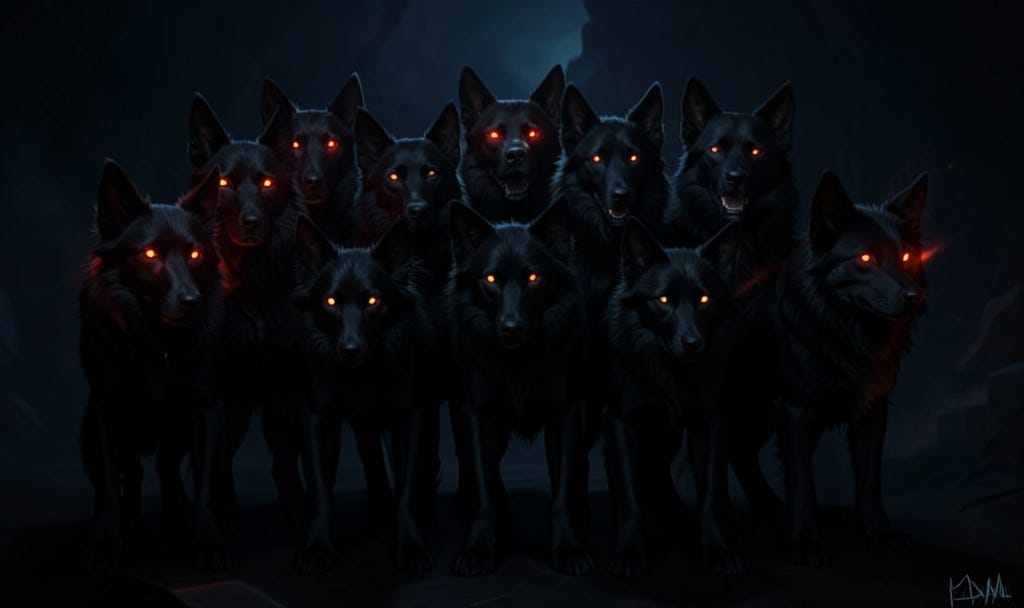
La Jauría del Diablo (The Ghost Pack of San Benito):
Deep in the Resaca communities near San Benito and Brownsville, elders whisper about La Jauría del Diablo—the Devil’s Pack.
Unlike the Chupacabras, which acts as a solitary predator, these are a pack of spectral, pitch-black dogs with eyes that glow like burning embers. They are said to be the transformed familiars of a coven of brujas who lived along the Rio Grande in the early 1900s.
They are never heard barking; instead, they run completely silently through the agricultural fields and dirt roads at night. If they cross your path, it means a curse has been placed on your family line, and hearing them “whisper” or whine outside your window means a relative has sold their soul.
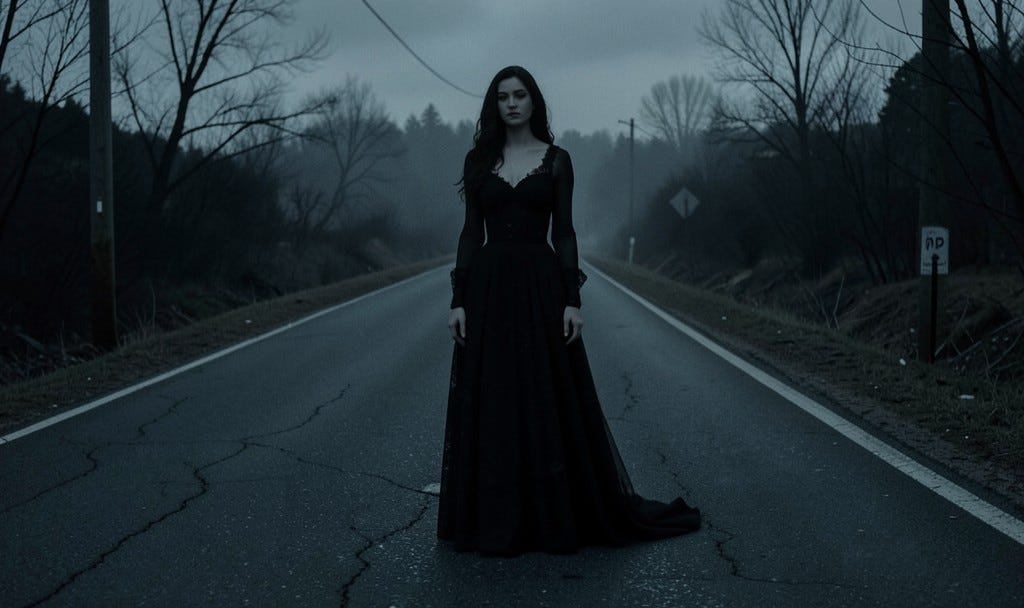
The Lady in Black:
In the small South Texas “brush country” communities of Premont & Ben Bolt, the spirit of a woman dressed in black has long been rumored to haunt the intersection of State Highways 141 and 281, between the cities of Premont and Ben Bolt. Despite many reports to the sheriff’s department from motorists who feared they had hit her, no evidence of her existence has ever been found.
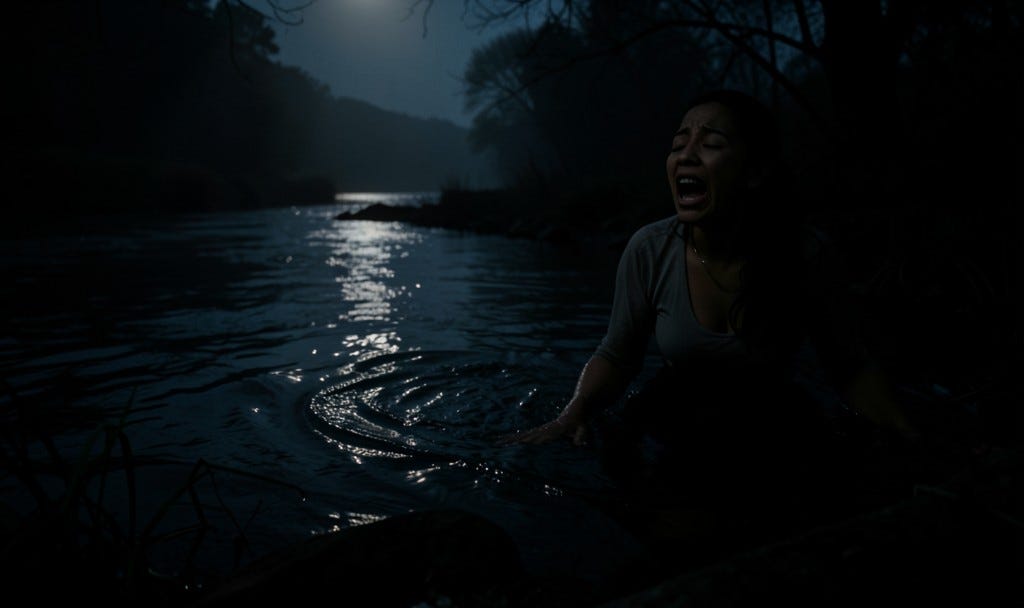
La Llorana (The Wailing Woman):
This classic figure from Hispanic folklore is deeply rooted along South Texas rivers, lakes, and canals. She is the ghost of a weeping woman in white searching for the children she drowned, often used as a cautionary tale to keep children indoors at night.
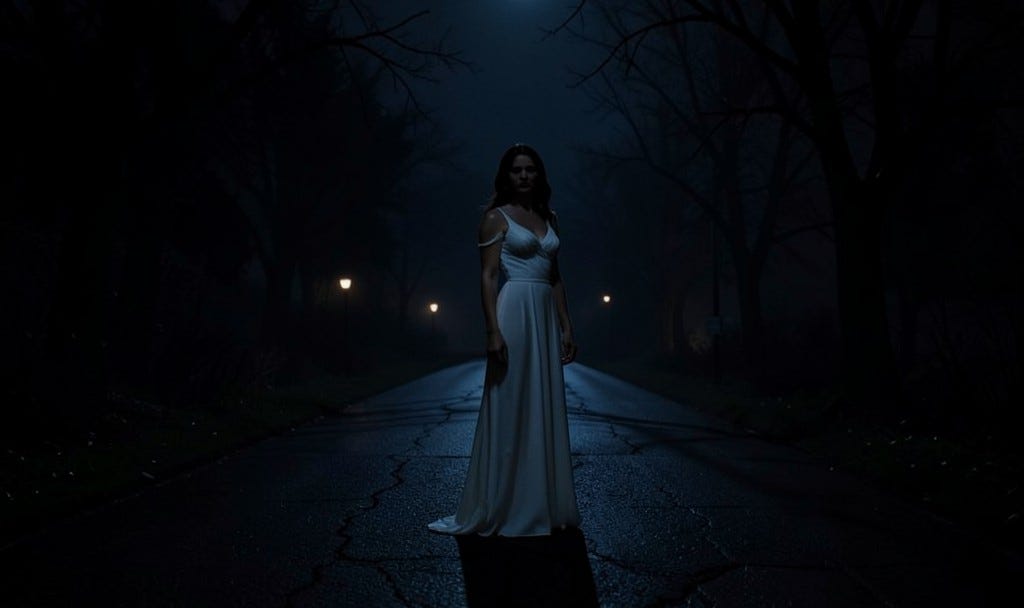
The White Lady of Sabinitos:
Near the ghost settlements and old ranchos of Starr County lies the legend of La Dama Blanca de Sabinitos.
Unlike La Llorona, she doesn't weep or seek water. She is described as a tall woman dressed in an antique, glowing white wedding dress who stands perfectly still in the middle of remote ranch roads.
Drivers who encounter her report that their headlights completely cut out. If you swerve to avoid her, your vehicle will crash into the dense cactus and mesquite brush. Local lore says she is the spirit of a young woman murdered by a jealous lover in the 1800s, and her apparition is used by local brujas as a focal point to draw negative energy to the area.
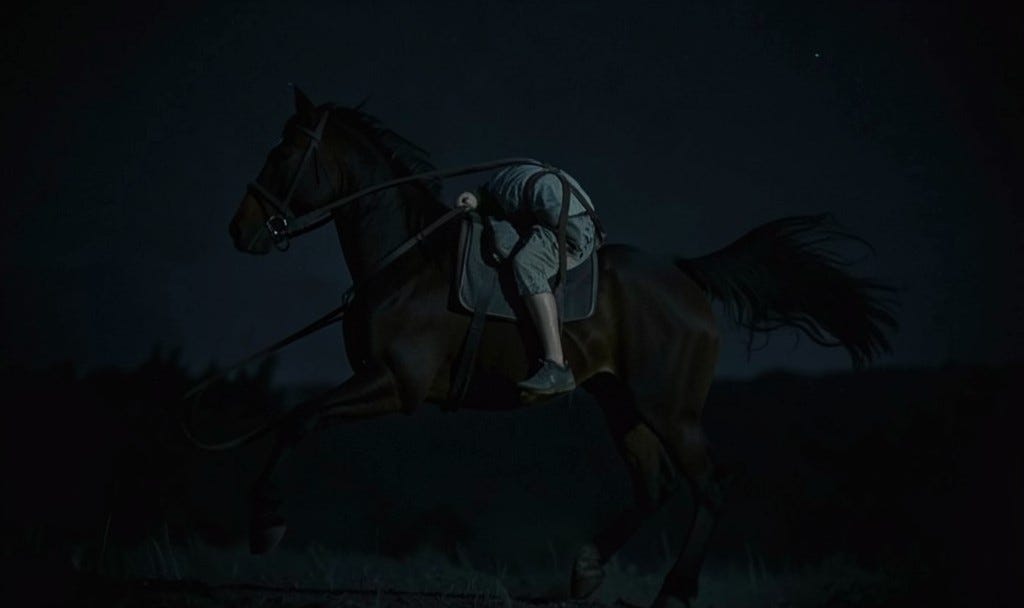
El Muerto (The Headless Horseman of South Texas):
A grim brush-country legend originating from the early days of Texas Rangers and border outlaws. The story tells of a bandit whose decapitated body was strapped upright onto a wild mustang and released into the mesquite flats. Ranchers and travelers (even in modern times) have long claimed to see his headless figure on horseback galloping through the pale moonlight.
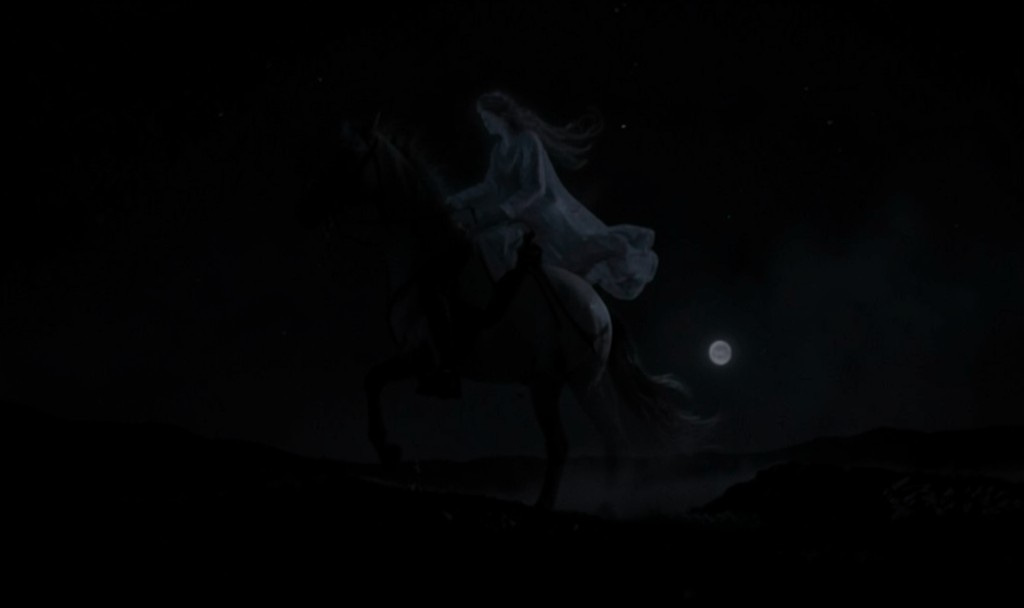
Chapita (The Ghost Rider):
Josefa "Chipita" Rodriguez was convicted of murder and hanged in 1853 in San Patricio County, Texas, at the age of 63. She was accused of robbing and murdering a trader with an axe near her lean-to on the Nueces River. Her last words before her execution were "No soy culpable" (I am not guilty). Her ghost is said to haunt San Patricio, especially when a woman is to be executed. Rodriguez is depicted as a specter with a noose around her neck, riding through the mesquite trees or wailing from the river bottoms.
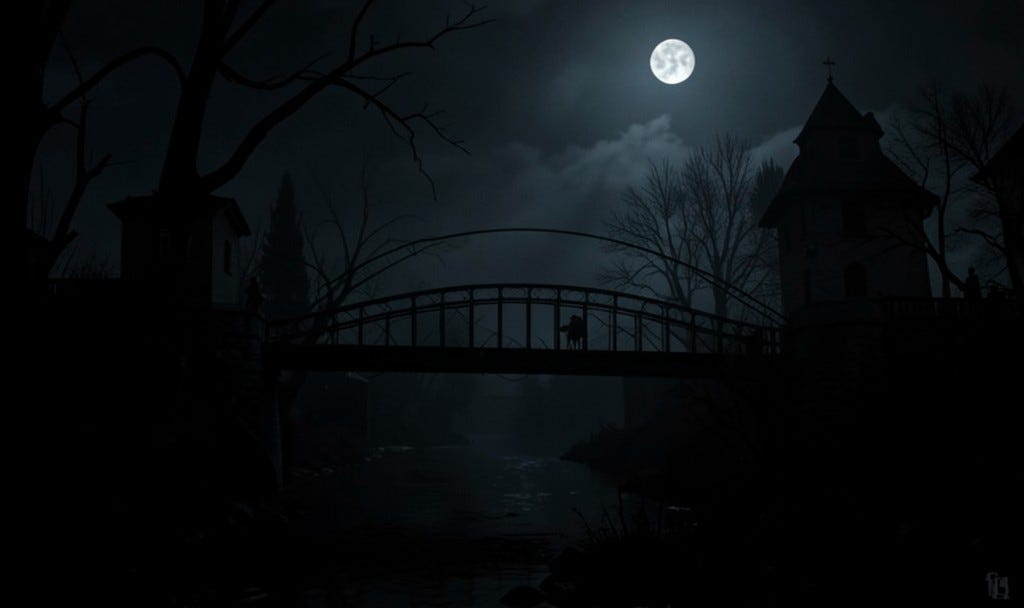
The Donkey Lady of San Antonio:
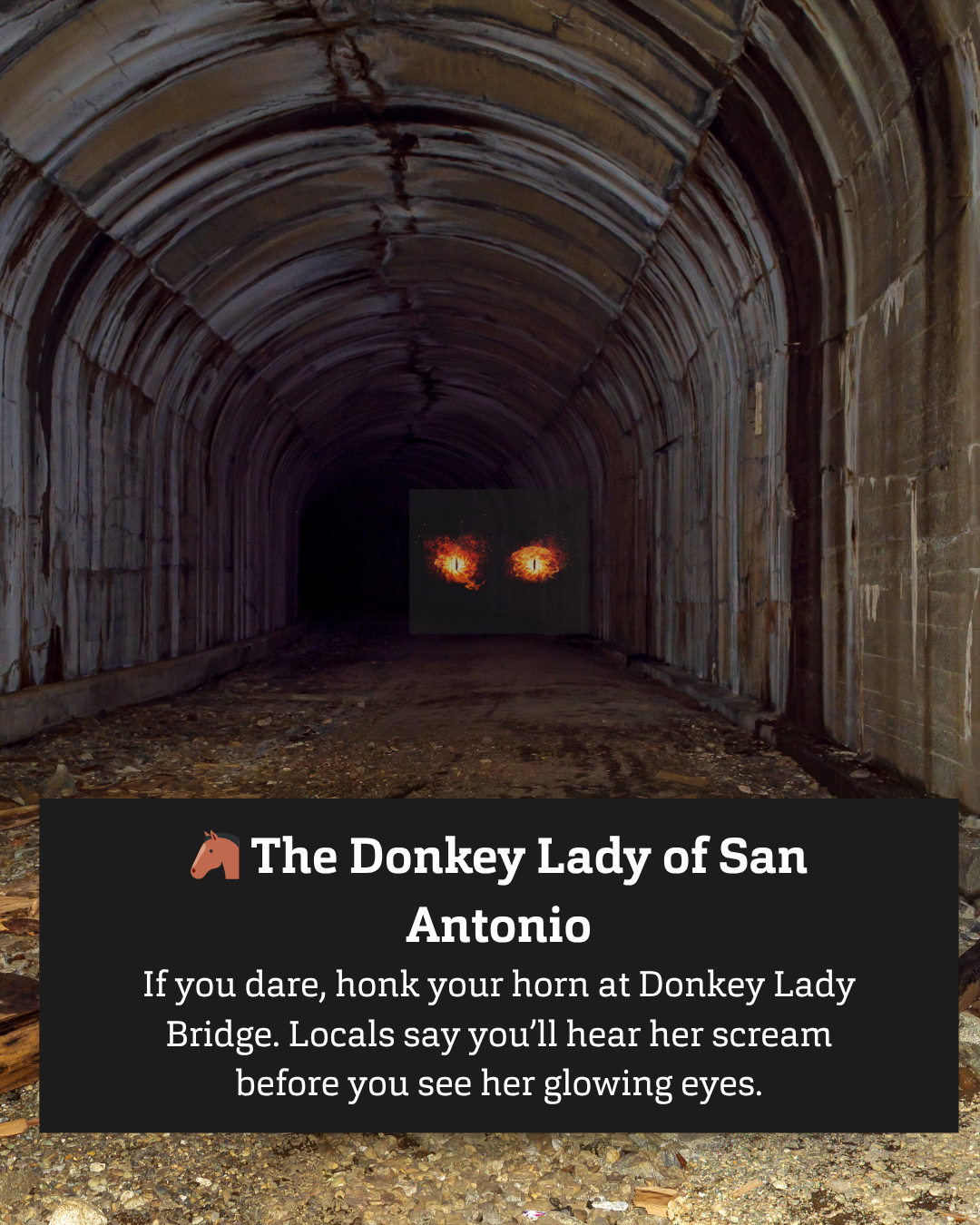
A mix of tragedy and urban legend, the Donkey Lady is said to haunt a bridge just south of San Antonio. The story goes that a woman, horribly burned in a fire, was left disfigured with an elongated face and hands that resembled hooves. Locals say if you stop on Donkey Lady Bridge at night, honk your horn, or call out to her, you might just hear her shrieks or see her glowing eyes staring back at you from the darkness.
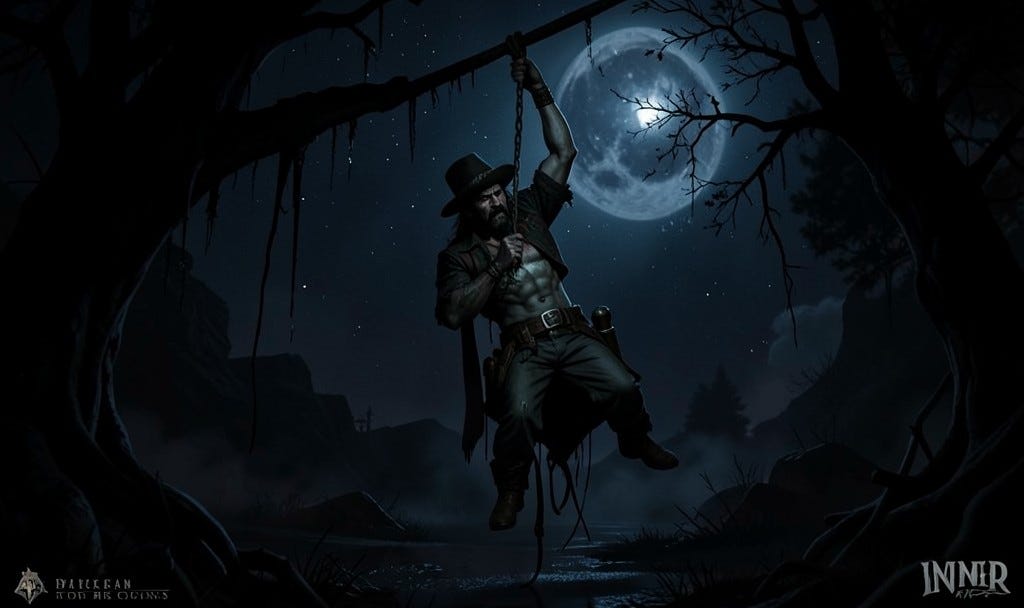
El Tejano (The Ghost Bandit of San Ygnacio):
Long before modern highwaymen, El Tejano was a legendary 19th-century bandit who roamed the chaparral of Zapata and Starr counties. He is said to have robbed wealthy Anglo settlers and Mexican elites alike, burying his stolen gold in jars beneath the roots of old mesquite trees. He was eventually caught and hanged, but folklore says his spirit was cursed to guard his hidden treasures.’
It is said that if you find his gold, his spirit will offer it to you—but only in exchange for a human soul, or by tricking you into a curse that drives you mad unless you leave every coin behind.
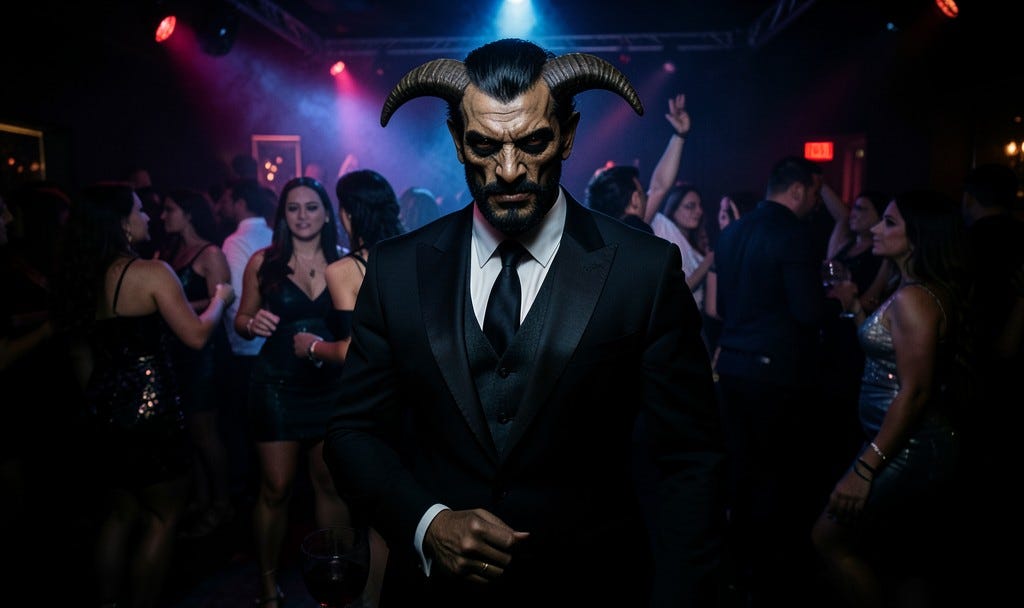
The Dancing Devil at El Camaroncito:
This legend belongs to the urban folklore of South Texas nightlife, specifically tied to the old El Camaroncito nightclub in San Antonio, though variations are told across dancehalls in McAllen and Laredo.
During a dance (often on a forbidden night like Good Friday or Halloween), an incredibly handsome, impeccably dressed man enters the club. He charms the most beautiful woman in the room, and they dance flawlessly.
As the music reaches a frenzy, the woman looks down and notices her partner does not have human feet—one foot is a chicken’s claw, and the other is a cloven hoof. A sudden smell of sulfur fills the air, the lights flicker, and the man vanishes into thin air, leaving the woman traumatized, paralyzed, or mysteriously scarred.

The Curandero (Folk Healer):
Finally, we get to some “white magic” and meet the curanderos - or folk healers of South Texas and Northern Mexico - who can be either male or female. Their powers are said to come from God, and they often treat physical symptoms that patients believe come from supernatural causes.
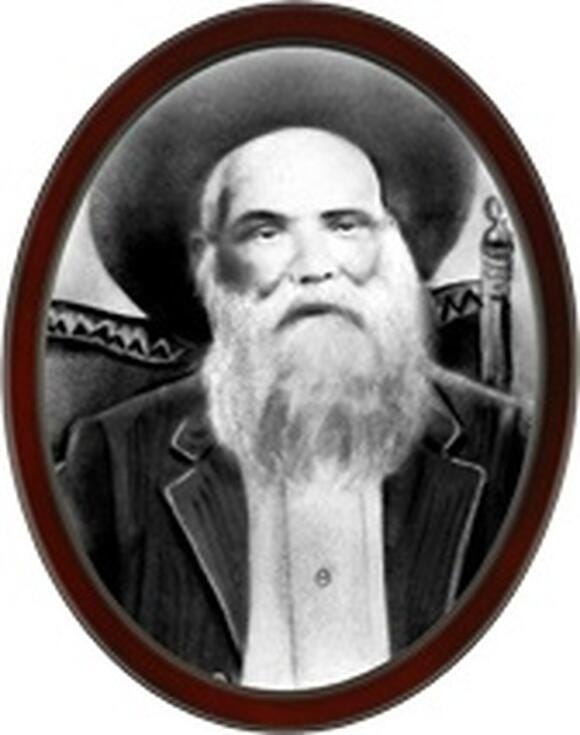
The most famous South Texas curandero was Don Pedro Jaramillo of the Los Olmos Ranch near Falfurrias, who died in 1907 (and who I wrote about HERE, last week). People came from as far away as New York City to see him, and today an historical marker and shrine in Brooks County is still visited by many followers seeking his blessings.
Do you have some spooky South Texas Tales or encounters to share?
Share your opinion in the comments on this story!
Abrazos,
Jack Beavers


Click the button above to add US Border News as a preferred source in your Google News Feed & Google News Searches!