

(This article was written by Jerod MacDonald-Evoy of The Arizona Mirror, an affiliate of The States Newsroom, the nation’s largest state-focused nonprofit news organization & is republished by US Border News with permission under a Creative Commons license)
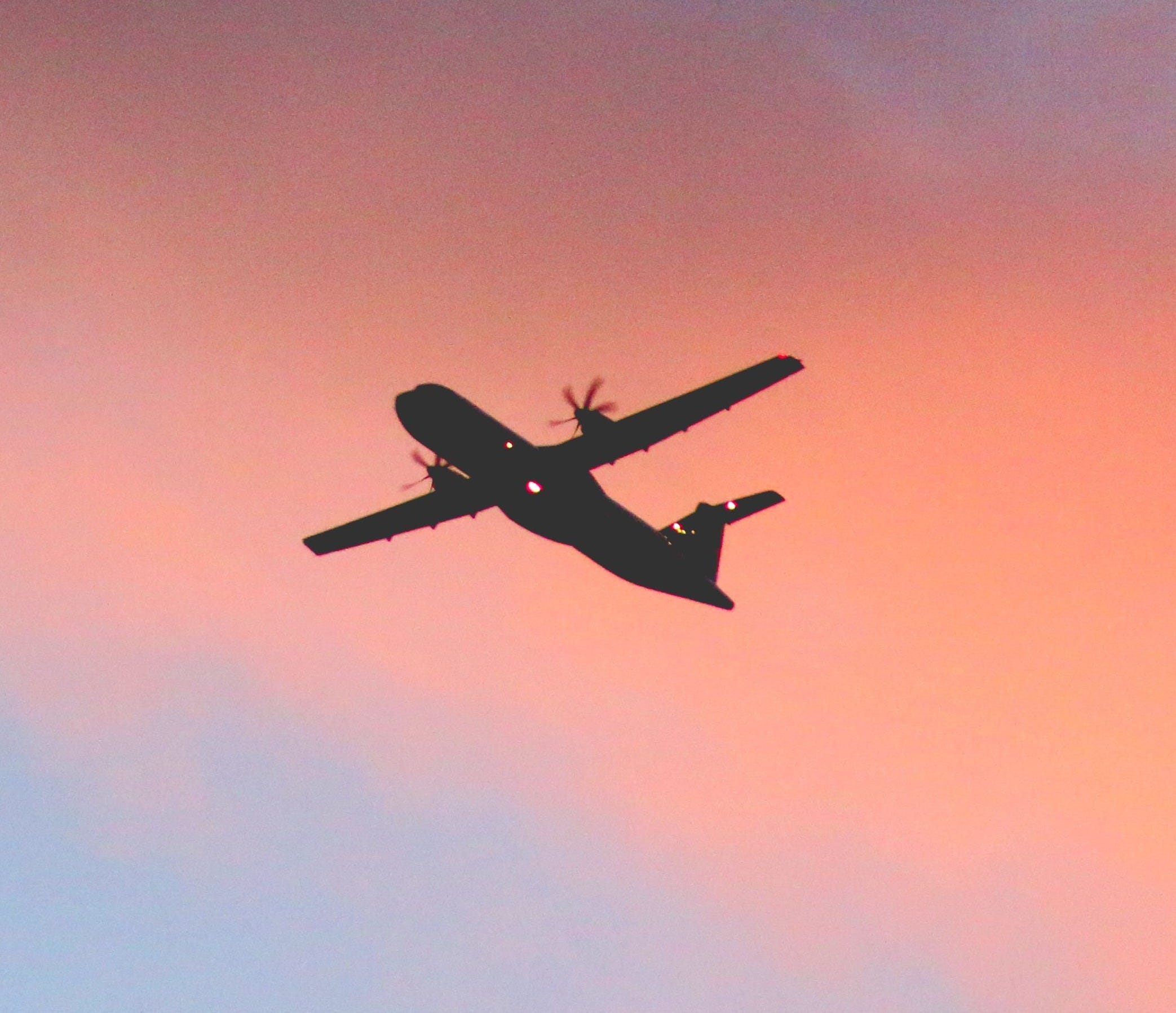
Military contractor aircraft equipped with high-end surveillance gear have been flying along the United States southern border above Arizona, New Mexico, and Texas for months. The Department of Defense and the Department of Homeland Security won’t elaborate on what the aircraft are doing.
“The Department of War contracts with a number of companies, including Metrea, to provide capabilities in support of military operations across the globe. For operations security reasons, we do not discuss specific contractor support to particular missions or operations,” a DoD spokesperson wrote in a statement to the Arizona Mirror. “These activities are governed by Attorney General-approved procedures that ensure the activities are conducted in a manner that protects the constitutional and legal rights and the privacy and civil liberties of U.S. citizens.”
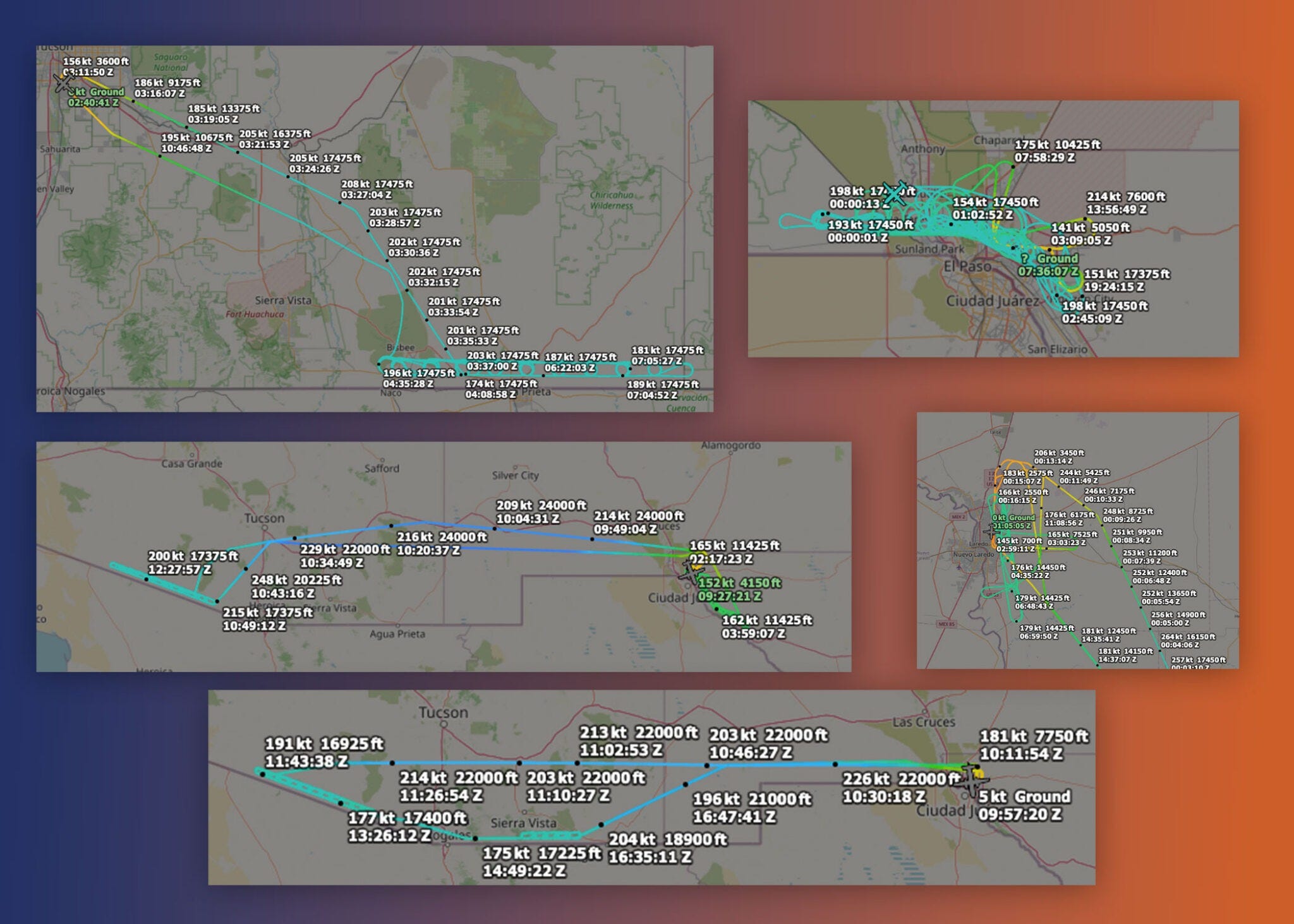
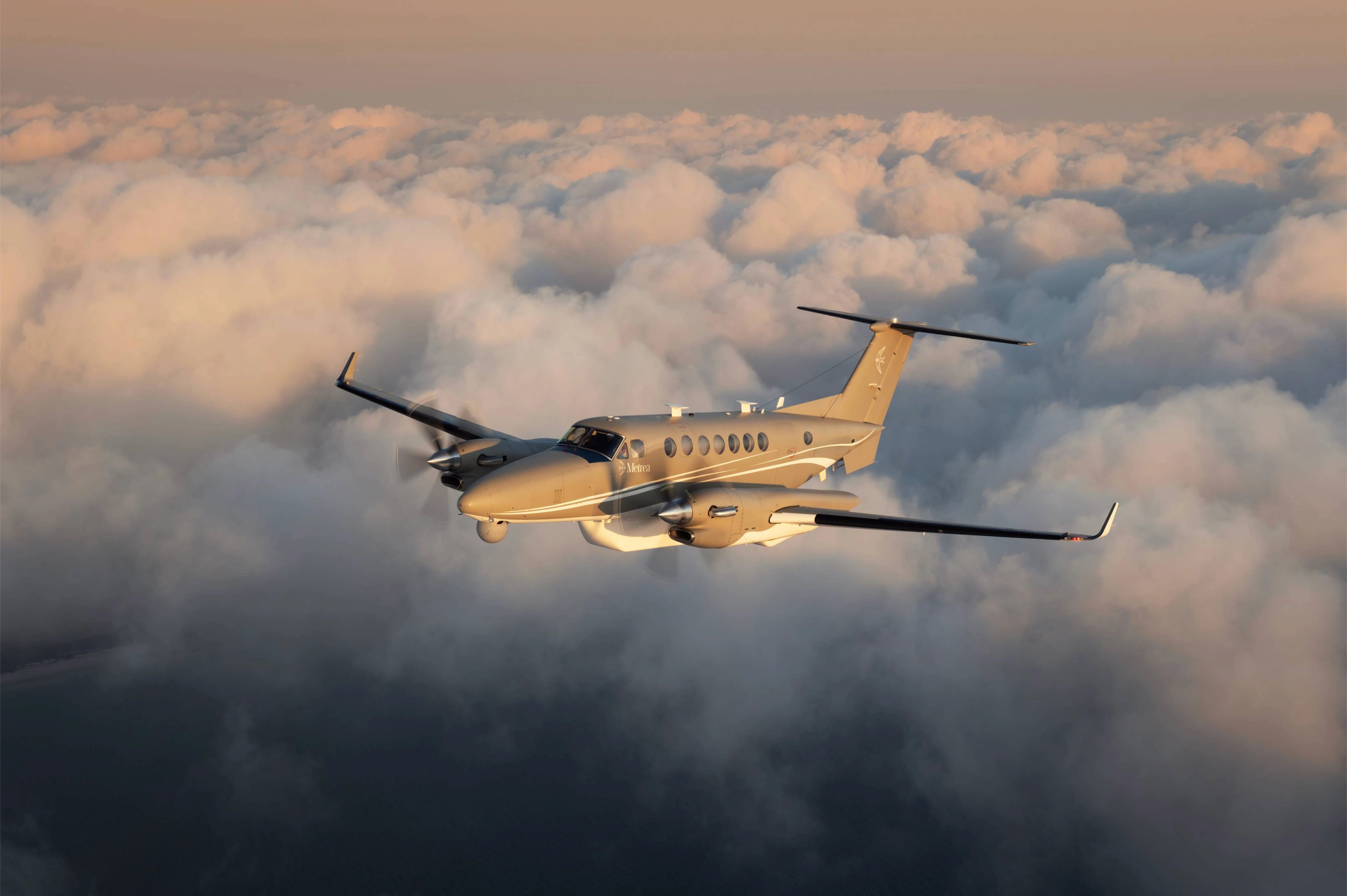
The aircraft that have been flying along Arizona’s southern border belong to private military contractor Metrea, formerly Meta Aerospace, and according to documents obtained by the Mirror, they’re loaded with military-grade surveillance equipment.
Since February, Metrea aircraft have been flying at high altitudes in loops along areas of the country’s southern border with Mexico over cities including Bisbee, Douglas, Laredo and El Paso.
Metrea holds multiple government contracts with the U.S. military, including a $5.7 million contract to help train the United States Special Operations Command. It also aids in simulated training exercises for the Marines.
The company also provides “advanced aerial surveillance” to the Australian government, specifically for monitoring the country’s border regions.
In a press release announcing the contract, Metrea boasted 170,000 hours of “crewed Airborne Intelligence, Surveillance and Reconnaissance (AISR) operations across Europe, the United States, Africa and Asia, demonstrating consistent performance in complex, high-tempo environments.”
Metrea aircraft are not the only military-contractor-owned aircraft that have been flying in the area. The company did not respond to repeated requests for a comment on this story.
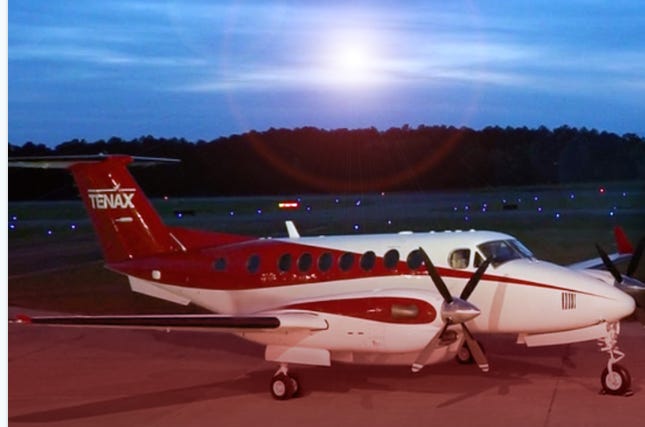
A jet belonging to Tenax Aerospace equipped with high-end mapping technology that has been spotted flying in the South China Sea and Nigeria has also been flying along the border since July.
A DHS spokesperson told the Mirror that Immigration and Customs Enforcement, Homeland Security Investigations and Customs and Border Protection were not flying with Metrea along the southern border. DHS did not respond to questions about whether the aircraft were supporting a mission by the Department of Homeland Security or the Department of Defense.
Dirt boxes and more
The border region of the United States is no stranger to surveillance aircraft.
Aircraft belonging to DHS and the Arizona National Guard can be seen flying the region frequently, as they search for smugglers or people who crossed the border illegally. Those aircraft are often helicopters equipped with high-end cameras and other sensors, but DHS is also known to deploy Predator-style drones to conduct surveillance.
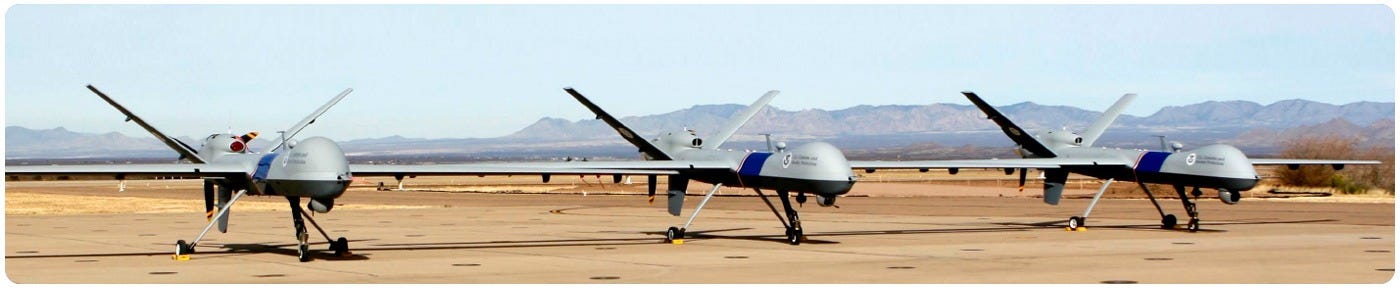
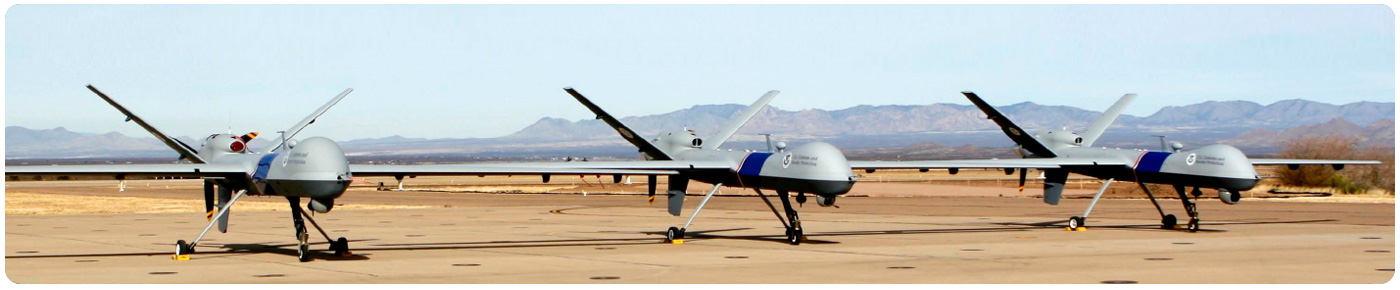
In the past, DHS disguised its surveillance aircraft, equipped with “law enforcement technical collection” equipment.
The main aircraft flying the border is a Beechcraft B300 King Air 350, a twin-engine propeller aircraft that has been favored by the United States military to conduct rescue operations and surveillance missions.

A similar version of the aircraft that has been flying along Arizona’s border crashed in the Philippines last year, killing three contractors and one Marine.
According to documents obtained by the Mirror through the Federal Aviation Administration, Metrea’s aircraft are outfitted with high-end surveillance equipment, and both have been spotted flying in Arizona, Texas and New Mexico.
One major piece of equipment installed on the aircraft is a DRT 3300, also sometimes referred to as a “dirtbox.”
A dirtbox is a piece of equipment that mimics a cell phone tower and works like “stingray” devices that track cell phones and reportedly can even intercept messages.
The DRT 3300 installed on both of Metrea’s aircraft is able to capture communications transmitted by wireless devices like cell phones and radios, according to a brochure by the manufacturer, DRT.
It isn’t the only equipment on the aircraft meant for “signals intelligence” either.
Signals intelligence refers to the collection of information that is transmitted through the airwaves, such as radio, wi-fi, or other electronic means.
One of the aircraft lists a “Windjammer System” as installed equipment.
This more than likely refers to the Windjammer system, which can “conduct survey, stimulation, denial of service, and geo-location of a given” target’s phone or radio according to documents obtained by The Intercept. “It presents itself to satellite terminals as the network issuing commands that cause the terminal to communicate with the system directly.”
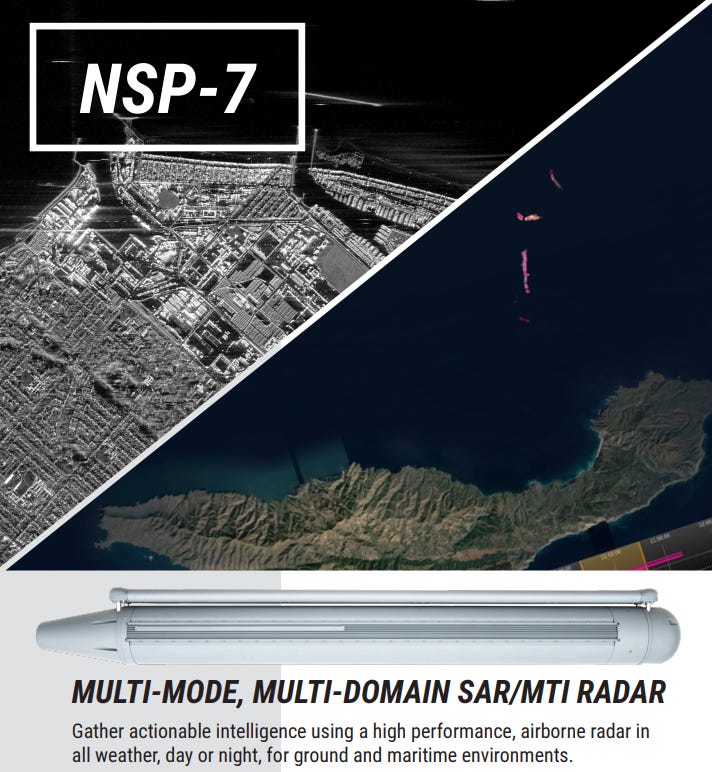
The aircraft also has a powerful radar sensor on board that shows different high-definition images of the ground below. In a brochure about the equipment, its manufacturer notes that it can be used for “Illegal Migrant Operations….And More!”
The aircraft are also equipped with a high-end camera that can be retracted into the airplane. It also has a military radio and multiple GPS anti-jamming devices installed.
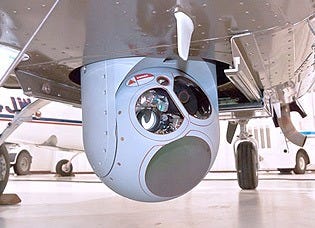

The camera system on the Metrea planes is a higher tier than the one installed on Arizona National Guard Lakota UH-72As dispatched as part of the Southwest Border Task Force.
The L-3 Wescam MX-15 is the camera of choice for the Lakotas, boasting a zoom range of up to 3.5 miles. A demo video of the camera appears to show the Yuma County Courthouse.
One of those Lakotas assisted Phoenix Police in 2020 during Black Lives Matter protests.
The MX-20, used by the Metrea aircraft, has a blurred spec sheet and zoom-length specifications on the website, and they are only available upon request. A video showing off the camera on the company’s YouTube shows a man walking down a sidewalk, likely unaware of the aircraft following him at over 10,000 feet as the narrator boasts about the camera’s laser designation technology, which can automatically track a target.
Documents obtained by the Mirror also show that one of the aircraft participated in a program called “Sable Spear” in 2018 that included the installation and testing of “special mission equipment.”. A program named “Sable Spear” was conducted by the CIA to investigate the implementation of AI. It is unclear if the aircraft was part of the same named program, and the CIA did not respond to a request for comment.
That program used AI to collect information on “foreign sources and persons associated with the synthetic opioid market” and was called a “mass data analytics tool” to attempt to locate “indicators of illegal or suspicious activity,” according to the Defense Intelligence Agency.
“The arc of history bends towards privacy.”
The use of Wide Area Airborne Surveillance, or WAAS, has been challenged and debated in court for years.
In 1986, the United States Supreme Court ruled that when the Santa Clara Police Department flew in a private plane over Dante Carlo Ciraolo’s house and spotted marijuana plants in the backyard, it didn’t violate the Fourth Amendment of the United States Constitution and did not require a search warrant.
That same year, the court also ruled that the Environmental Protection Agency had not violated the Fourth Amendment when flying over a Dow Chemical facility to photograph it after the company had denied them access for an inspection.
Both cases established that certain “open areas” easily viewable from the air do not require a search warrant and didn’t contemplate WAAS. However, other challenges to the technique have deemed its use unconstitutional.
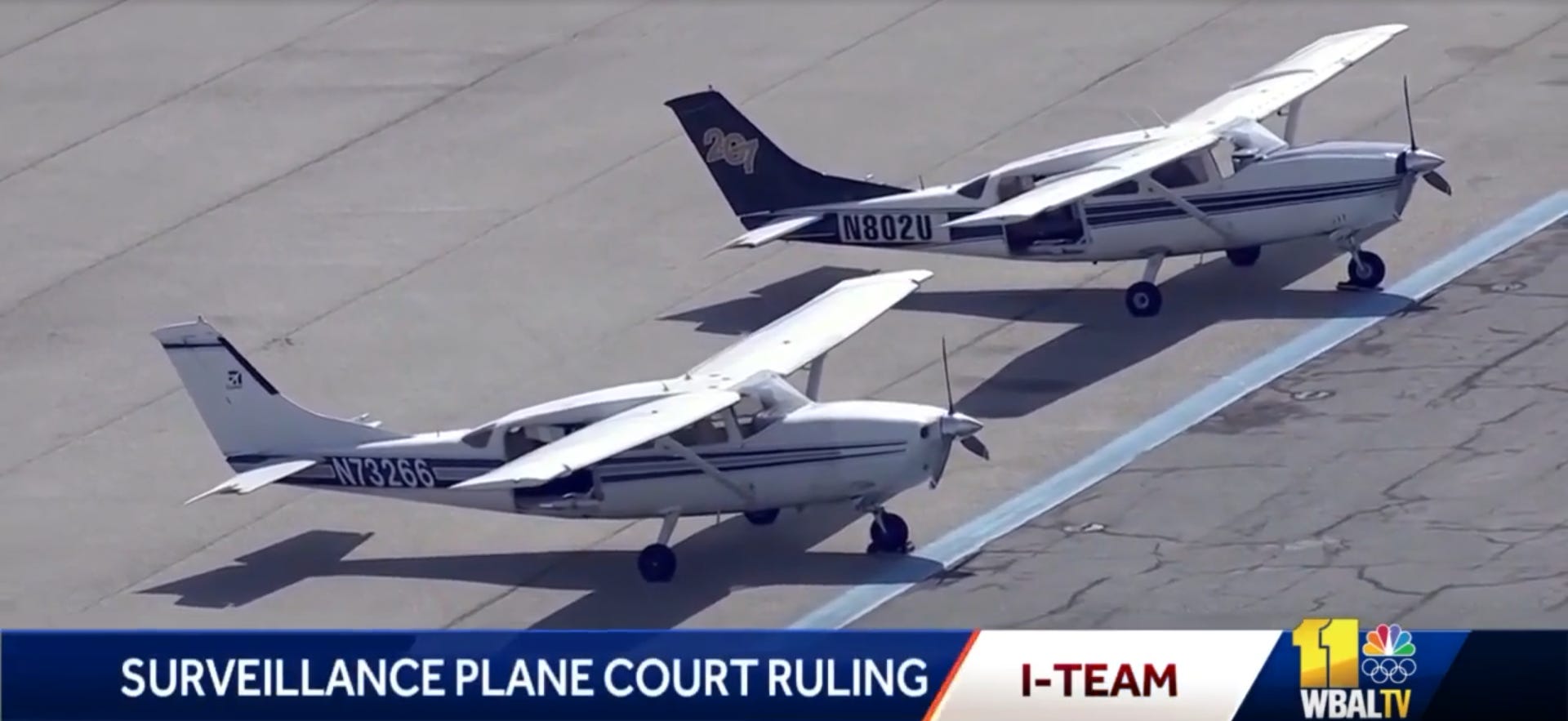
The Fourth Circuit ruled that use of a WAAS program by the Baltimore Police was unconstitutional because of the vast amount of data collected constituted a search that violated the Fourth Amendment.
“Whatever security rationales are used to justify mass surveillance, whether it is patrolling the border or pursuing the war on drugs, if you’re intent on pursuing those policies you have to do it in a way that respects the privacy and constitutional rights of Americans,” Jay Stanley, senior policy analyst with the American Civil Liberties Union Speech, Privacy and Technology Project, told the Mirror.
Stanley emphasized that these sorts of programs should include policies that encourage transparency, especially given the advent of AI.
“Number one, you need policies that ensure transparency so we know what government agencies are doing with the brand new powers that technology is giving them that humans have never had in history,” he said. “No matter what your position is, you should agree that it is done in the democratic process and not done by government officials behind closed doors.”
While Metrea’s flights are conducted for the United States government, Stanley has questions about what happens to the data the company collects.
Contractors can sell the data they collect, oftentimes right back to the government, and in some cases are creating dossiers on private citizens, according to Stanley and media reports
“Their budget is not necessarily under the control of legislatures. They often can’t be fired by legislatures or impeached the way, say a county sheriff could be who is engaged in wrongdoing,” Stanley said. “And of course underneath it all they have a profit motive that government agencies don’t typically have.”
Even when it is just the government, sometimes the use of the technology can invade people’s privacy in perverse ways, Stanley said. In 2004, a New York Police Department helicopter filmed a couple having sex on a rooftop while they were surveilling protesters.
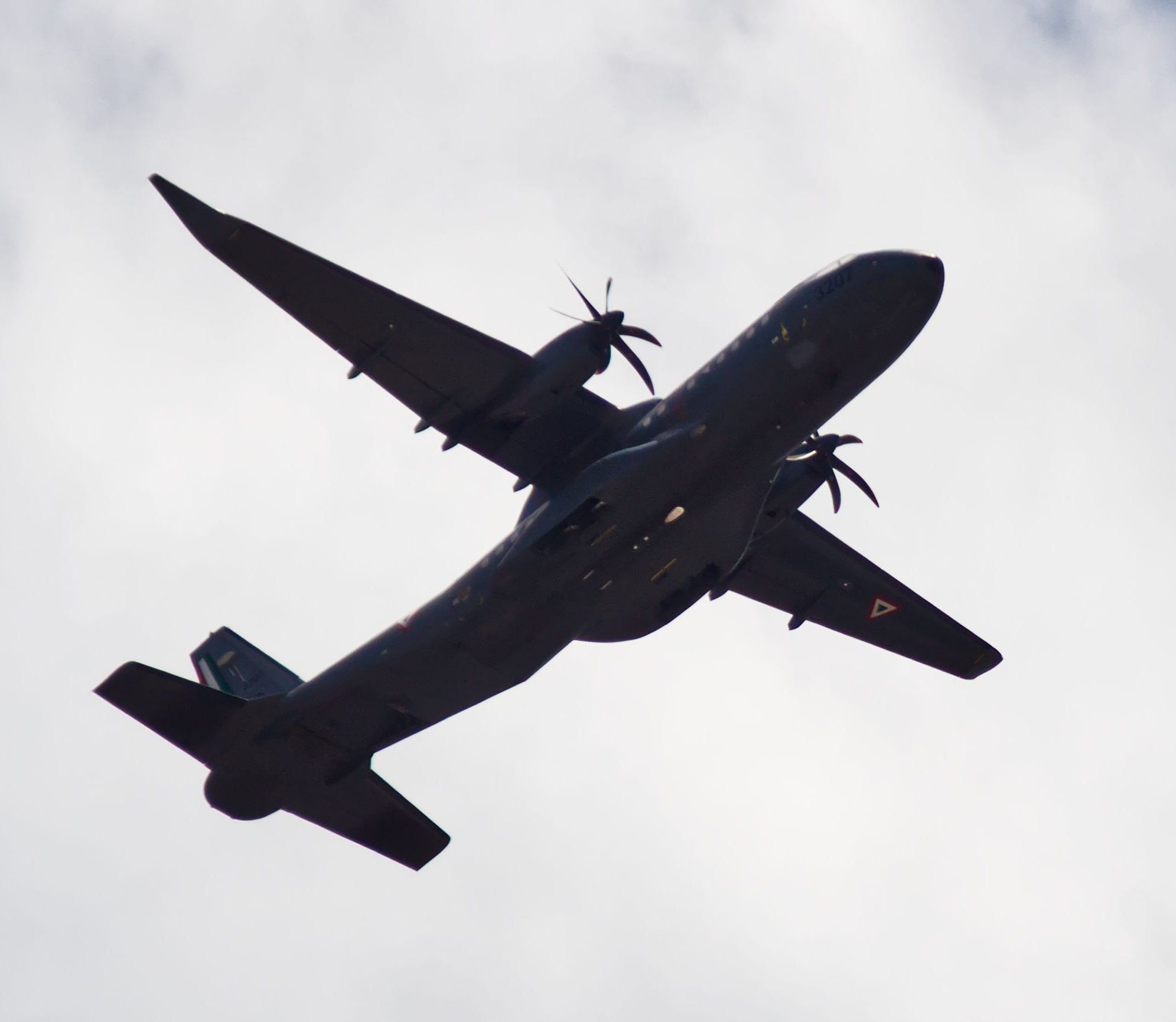
Mass surveillance used by the government and created by private companies is becoming a hot topic among voters and the American public.
Mass movements against local police departments’ use of the AI-powered automated license plate reader company Flock have led to multiple agencies dropping their contracts, including in Arizona. Some police have used the technology illegally, to stalk their exes, for example.
“These new technologies appear overnight, and they give agencies and companies new powers,” Stanley said, adding that there appears to be a groundswell against surveillance technology. “And this happens much faster than the public at large can digest what is happening. The arc of history bends towards privacy.”
Whether that outrage will soon set its sights on other types of surveillance, like WAAS, is still yet to be seen, Stanley said.
“They’re both significant threats to the privacy that Americans have always expected and enjoyed,” Stanley said of WAAS and Flock.”When [Americans] really become aware of them, they really don’t like the idea they’re being watched that way.”
Are you concerned that these border surveillance programs may violate U.S. citizens’ constitutional rights?
Feel free to share your opinions by leaving a comment to this article.

Holy moly Jack! This is not our father's military!