


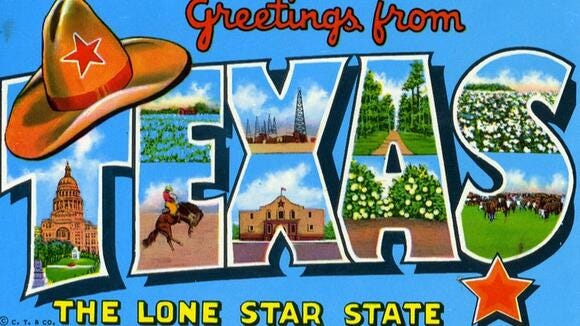
(Editor’s note: I am republishing this updated version of a story I wrote in the very early days of US Border News two years ago in honor of Hispanic Heritage Month, which runs from September 15 - October 15. I suggest pairing this article with a playlist of Selena canciones accompanied by your favorite cerveza or margarita. - Enjoy!)
I grew up in rural South Texas in the 60s & 70s. It was a time of demographic & cultural upheaval. When my small town became majority Hispanic, it resulted in headlines in the nearest “big city” newspaper in Corpus Christi: “Minority now the Majority in Kingsville, Texas,” it read.
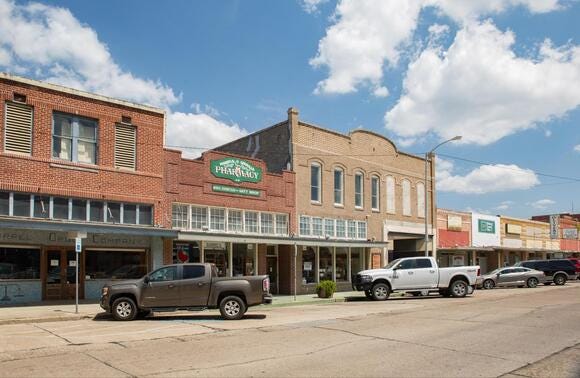

That was an earth-shattering headline for some of the parents and most of the grandparents of my fellow Anglo & Mexican-American classmates alike - but not so much to those of us attending their public schools (and living the changes that were underway).
Ours were among the first generations there to widely socialize, date & marry regardless of ethnicity after decades of segregation by race and class (much to the consternation of some of our Anglo & Mexican-American forebears).
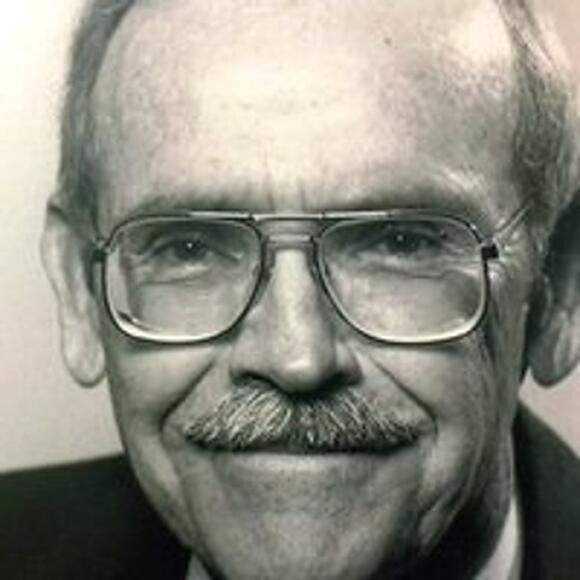
There were exemplars among the generations that preceded us:
My (Anglo) uncle - for example - used his Ph.D. to mentor first-generation Hispanic students at what was then “Texas A&I University“ in Kingsville and went on to found what is now Texas A&M International University in Laredo - one of the first Hispanic-majority universities in Texas. He will forever be one of my role models.
My small hometown also produced some giants of Texas Hispanic History:
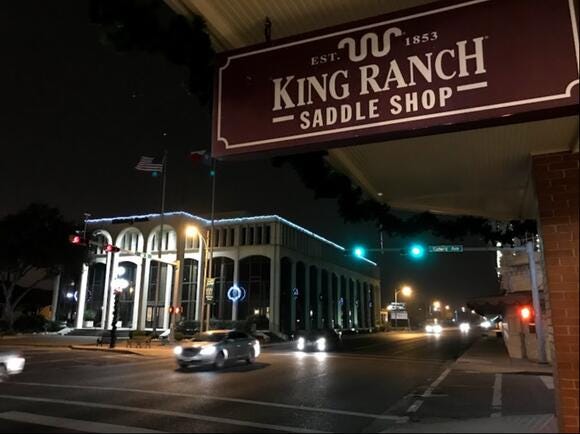
Hispanic “Kineño” cowboys, “cattle whisperers” who helped Captain Richard King build the legendary King Ranch, who followed him from a small village in Mexico to South Texas (along with his first herd of cattle, which they sold him) and stayed on to work for the Kleberg Family, who followed in his footsteps, to keep the ranch running in South Texas for almost 175 years now.
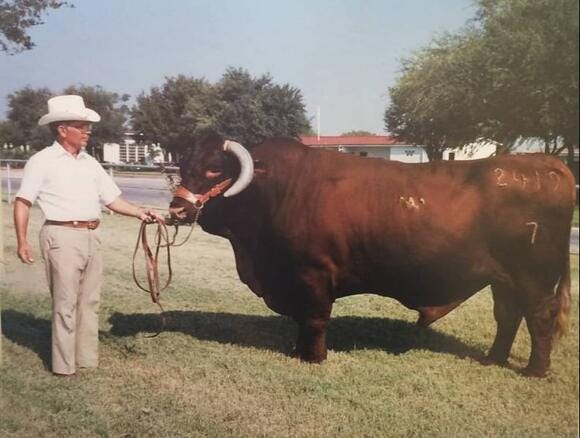
But the Kineño families remain the beating heart of the ranch and a vital part of the community that grew up around it.
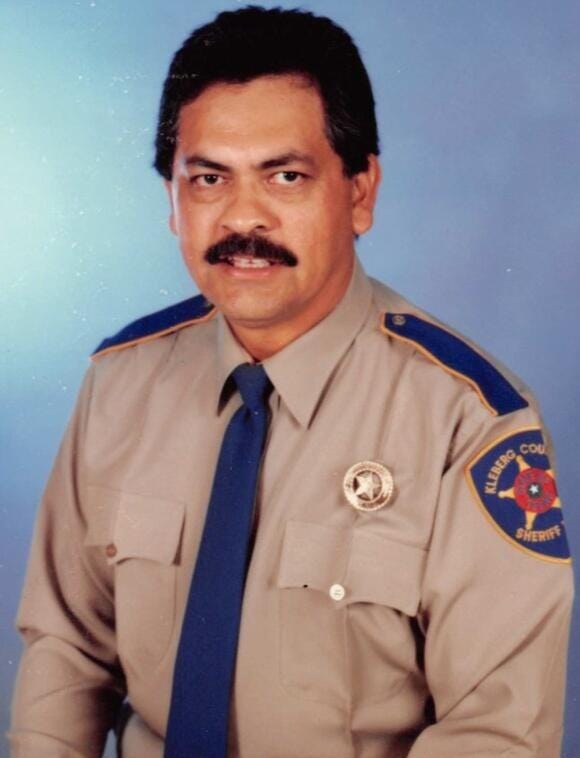
One son of a Kineño went on to become the first Hispanic elected Sheriff of my county:
A Kineño Korean and Vietnam War veteran and “Medal of Honor” recipient - went on to become the United States Army’s first Hispanic four-star general - and for whom “Fort Cavazos“ in Killeen was renamed (from “Fort Hood”) in 2023.
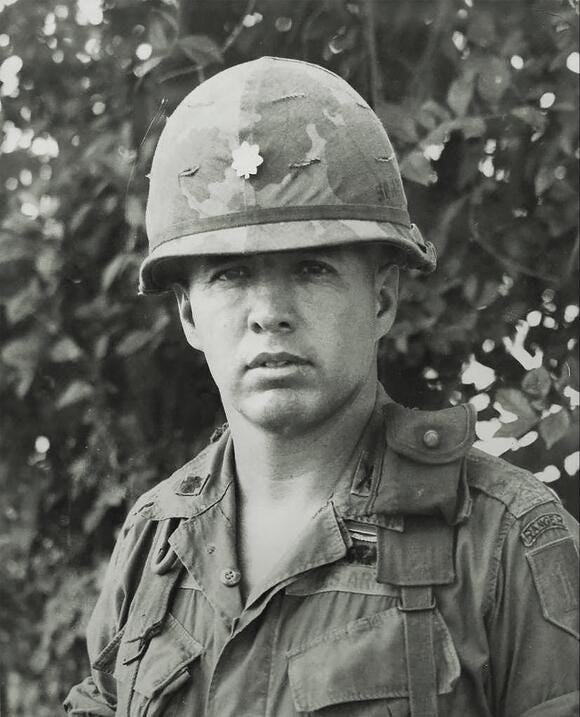
I am hopeful this indignity is short-lived and that Cavazos’ name will be restored to the post in the future. I’ll share more of my thoughts about that in another article, perhaps on Veterans Day.)
The Oxford English Dictionary defines a”Tejano“ as a “Mexican American inhabitant of Southern Texas,” but looking back on my experiences, I believe it also defines the shared cultures many Anglo and Hispanic people experience there to this day: a mixture of “Anglo” and “Hispanic” traditional lifestyles and histories that must be lived to be appreciated.
For example, whenever any unfortunate Anglo kid from “up north” arrived at our South Texas schools, we’d all (Anglo & Hispanic alike) helpfully instruct them in Spanish ---- except every “common Spanish phrase” we taught them was an extremely profane one.
It was a devilish pleasure to watch our newly arrived classmates demonstrate their newfound “Spanish” skills to the horror of our teachers and parents.
In our (meager) defense, we were mischievous junior high & high school students. Would you expect any less?
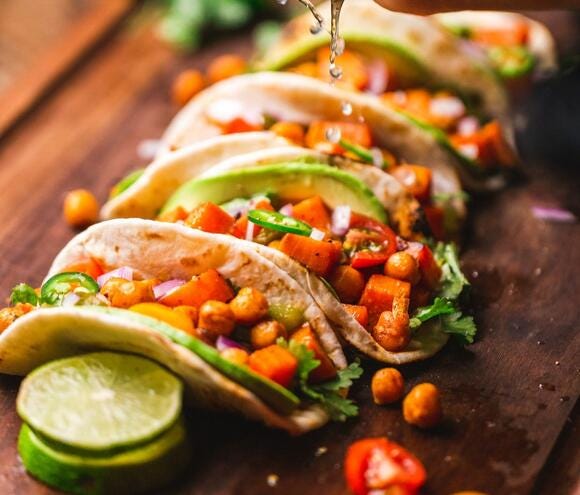
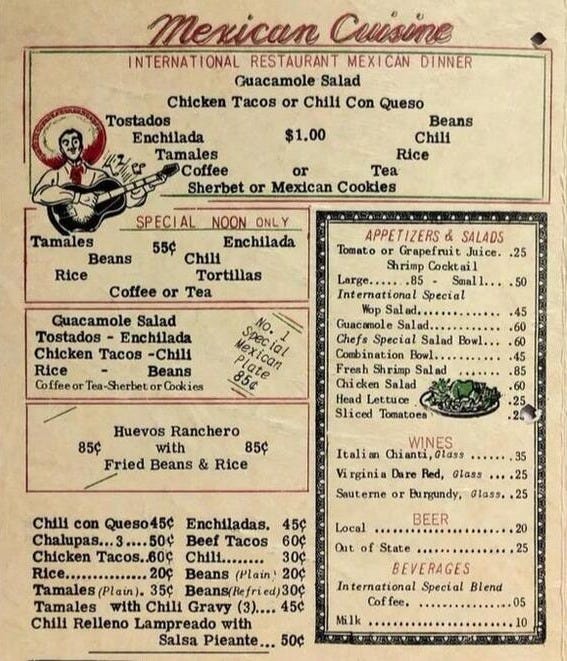
And - since “Taco Bell” was not a national thing yet- we also got to torture the hapless yanqui snowbirds who wandered into what (to them) were our mysterious “Mexican Restaurants.”
“Ma’am, have you tried one of these Mexican pickles?” we’d innocently ask -as we dropped a potent jalapeño (or two) onto her plate.

Or: “Sir, please try the “Mexican Ketchup” we’d helpfully suggest, as we slid a squeeze bottle of homemade Chile Pequin Salsa toward their plate. (The Pequin Pepper is about 30,000-60,000 on the Scoville Scale - almost ten times hotter than a Jalapeño).
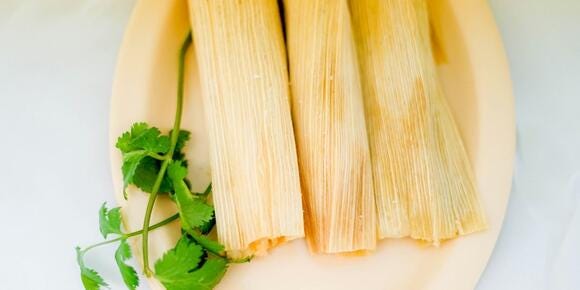
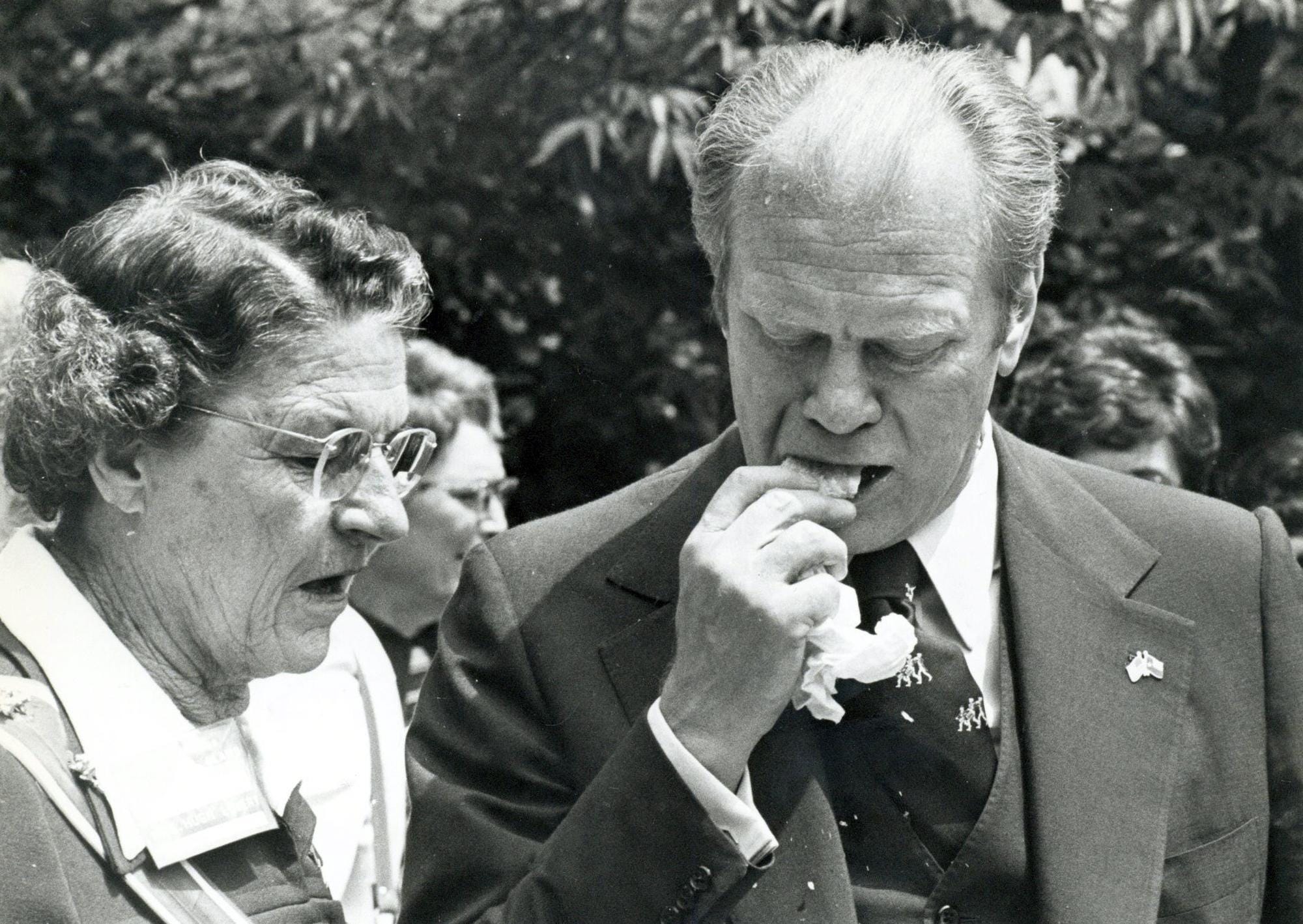
We also reveled in watching Northerners attempting to eat their first tamale - which they invariably bit into without removing the corn husk - a faux pas that Gerald Ford committed while campaigning in San Antonio in 1976 that many believe cost him the Texas vote as well as the Presidential election.
This “Spanglish“ upbringing would haunt me at one of my first full-time jobs in Arkansas when the General Manager who hired me at his television station wondered if I was not a “New Yorker” because I “talked so fast.” (I spoke English with a Spanish cadence familiar to many South Texans).
I also caught myself “counting down” a puzzled Arkansas TV crew to roll a tape in Spanish while producing a newscast - something I did without thinking at my previous job in Corpus Christi. (I left for a job at a TV station in California where “Spanglish” was more acceptable shortly afterward).
It’s been decades since I lived in South Texas, but it instantly feels familiar whenever I return. My Spanglish is a bit rusty, but at least I know to remove the husk from a tamal whenever I eat one -- as well as to (very) cautiously apply any homemade salsa (or not take a big bite of any “Mexican pickles”) offered to me.
Do you have any border experiences you’d like to share? Feel free to leave a comment on this article!
Abrazos,


MUCH LOVE THANK YOU
YEAH HA…TACO’S…GRANNY T….2026