


THE WEEK’S US BORDER NEWS IN BRIEF:
The resolution of a record-breaking government shutdown, the US indictment of the sitting Governor of a Mexican State, and a surge of Federal Agents to Laredo, Texas, were the primary focus of U.S. border security and immigration news during the week of April 26–May 2, 2026.
End of DHS Shutdown

On April 30, 2026, President Trump signed a bill to end a 76-day partial government shutdown of the Department of Homeland Security (DHS).
Funding Split: The legislation restored funding to most DHS agencies, including the Transportation Security Administration (TSA), which had reportedly lost over 1,100 officers during the standoff.
Enforcement Carve-out: Notably, the bill did not include funding for federal immigration enforcement operations, such as Immigration and Customs Enforcement (ICE) and Customs and Border Protection (CBP).
Reconciliation Strategy: The Trump Administration hopes to fund ICE and CBP instead through a reconciliation process, a strategy designed to bypass a Democratic filibuster and secure long-term funding through 2029 with only Republican votes.
US Indictment Rocks Mexican Government
On Wednesday, April 29, 2026, a US Federal Grand Jury indicted a Mexican Governor and nine other current and former Mexican Officials for allegedly accepting bribes and political support from leaders of the Sinaloa Cartel, which imports large amounts of drugs into the United States.


The Governor: Sinaloan Governor Rubén Rocha Moya - a key member of Mexico’s ruling “Morena” party - is at the center of the indictment.
The President: Mexican President Claudia Sheinbaum is seeking "irrefutable evidence" to back the U.S. charges against Governor Rocha Moya before allowing him to be extradited to the U.S.
The Attorney General: A spokesperson for Mexico’s Attorney General said that no extradition will be granted without sufficient evidence, and announced an independent investigation into the case.
Elsewhere in Mexico: A wave of cartel violence, unleashed after the arrest of a cartel leader, resulted in a warning against travel from Texas (especially from McAllen) to Reynosa, Mexico, during the past week.
Operational Updates at the Border
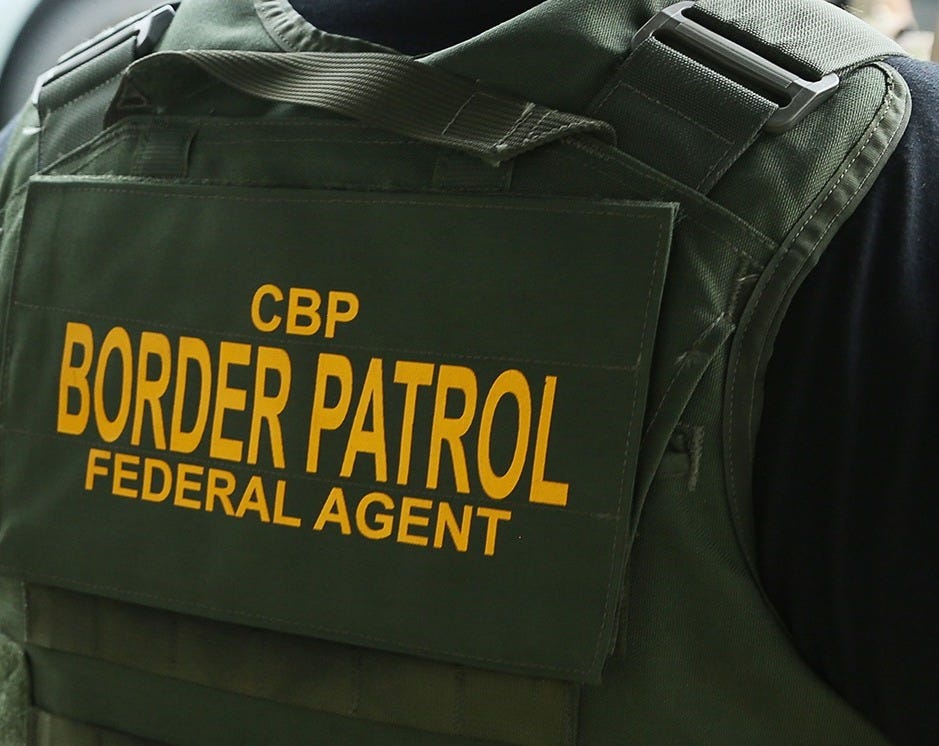
Texas Deployment: Approximately 200 Border Patrol agents, including members of the elite BORTAC unit, were deployed to Laredo, Texas, to address a spike in illegal crossings.
Record-Low Apprehensions: Despite the surge in Laredo, overall migrant apprehensions for fiscal year 2026 remained at historic lows, with some sectors reporting their lowest levels since 1967.
Drug Seizures: CBP officers reported major narcotics interceptions during the week, including $8.1 million worth of methamphetamine at the Pharr International Bridge, $2.8 million in cocaine and meth at the Eagle Pass Port of Entry, and nearly $2.8 million in fentanyl and meth at the San Ysidro Port of Entry
Travel Bans & Background Checks
Travel Ban Blocked: A federal judge in Massachusetts on Thursday determined that President Trump’s halt on processing immigration applications for citizens of countries listed under his travel ban was unlawful, granting an injunction on a policy she determined was unfairly leaving thousands in limbo.
Enhanced FBI Checks: On Monday, April 27, 2026, The USCIS began receiving enhanced criminal history record information (CHRI) for all fingerprint-based background checks. This includes mandatory secondary FBI screenings for applications for asylum, green cards, and naturalization.
FINALLY, IN CASE YOU MISSED IT:
(Stories covered by US Border News during the past week)

Many had criminal records
In Caribbean & Pacific Oceans
By “America’s Toughest Sheriff”
Wave of Cartel Violence Reported
Hundreds of agents head to Laredo
Other Mexican Officials Also Indicted
The “Fastest Mouse in Mexico’s” comeback story

I am committed to delivering a weekly newsletter that is not only educational and insightful but also engaging and easy to digest in five minutes or less.
(How am I doing? Let me know in the comments!)
Abrazos,
Jack Beavers


Gosh Jack, is there no end to the Mexican Governor and President Claudia Sheinbaum's involvement with the cartels? Getting rich off the drug cartels. So depraved. Jack, if you didn't keep us Patriots informed about the Mexican leadership corruption, we wouldn't know about this mess. Thank you Jack.