THE WEEK’S US BORDER NEWS IN BRIEF:
During the week of August 2 to August 9, 2026, U.S. border security and immigration news includes setbacks for opponents of border barriers in West Texas, a nationwide ICE body-camera mandate, and aggressive deportation enforcement targeting migrants previously granted “Temporary Protected Status”.
Texas Border Barrier Construction Controversy
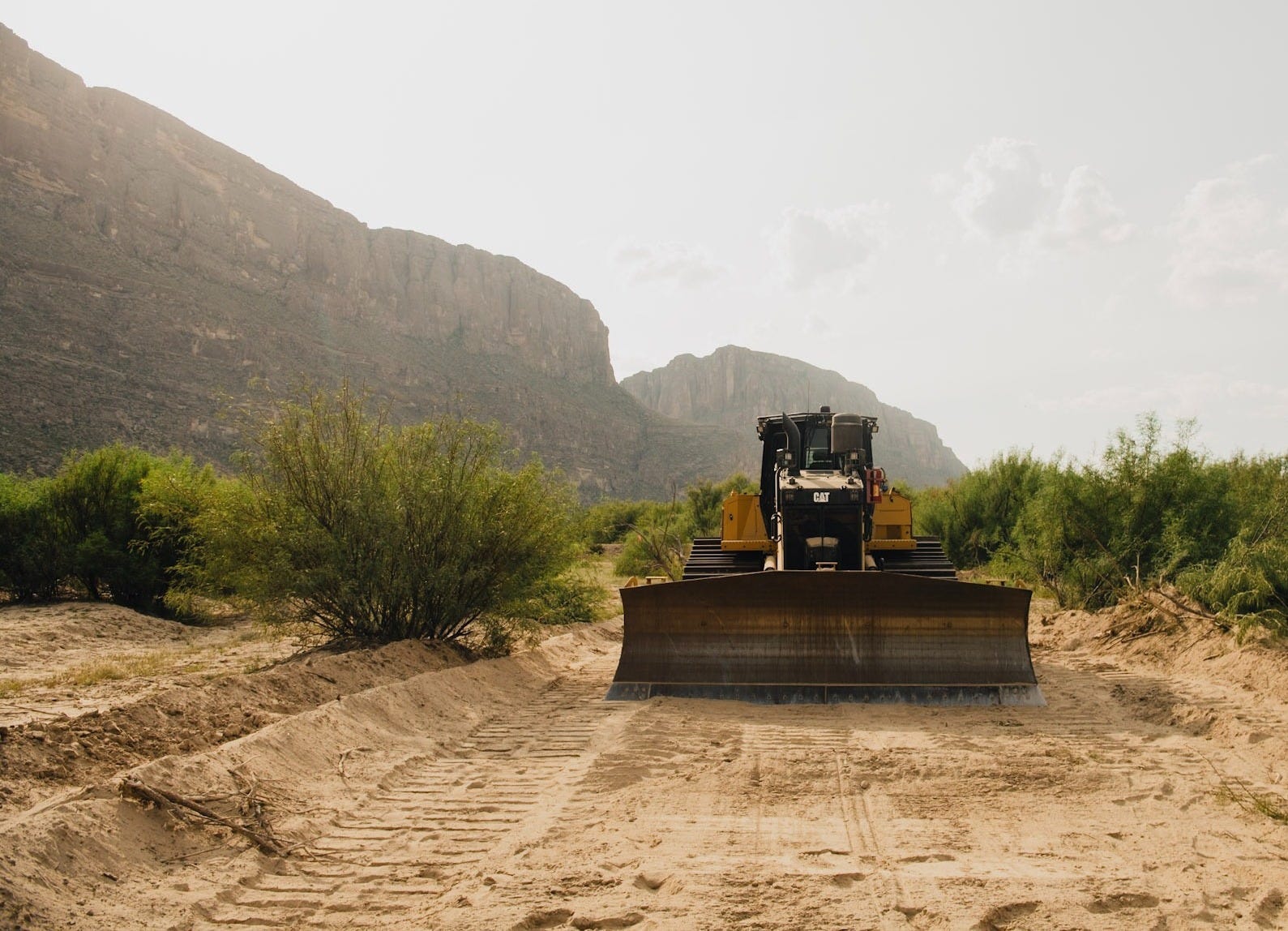
On August 6, 2026, bulldozers began clearing native vegetation in previously untouched portions of Big Bend National Park, along the Rio Grande in remote West Texas, despite widespread opposition by local and other Texas residents (including mostly GOP Sheriffs of several Texas border counties). Southwest Valley Constructors, a subsidiary of the Kiewit Corporation, has moved from planning to construction under a $1.7 billion contract to build access roads, 17 miles of vehicle barriers, lighting, and other infrastructure in the park.
Texas Levee Dispute Cleared: On August 2, 2026, Washington, D.C. District Court Judge Reggie Walton declined a motion to halt border wall construction in the small Texas town of Presidio.
Environmental Waivers Upheld: A local development board had sued the federal government, arguing the heavy steel barriers would permanently damage the municipal levee system and trigger severe flooding. The judge ruled that the Department of Homeland Security (DHS) holds the legal authority to waive local and environmental laws to achieve its border infrastructure goals.
ICE Body-Camera Rollout
End of August Deadline: On Saturday, August 8, Immigration and Customs Enforcement (ICE) announced it expects to equip and train every field officer and agent nationwide with body-worn cameras by the end of the month.
Fatal Shootings Fallout: The rapid, multi-million dollar expansion is a direct result of intense public backlash and civil rights lawsuits following fatal traffic-stop shootings by ICE agents in Maine and Texas. Agents involved in the shootings were not wearing body cameras.
Aggressive Crackdown on TPS Holders
Haitian Protections Erased: Following a U.S. District Court ruling lifting a temporary stay on deportations, federal protections officially expired for hundreds of thousands of Haitian nationals.
“Self-Deport or Face Arrest”: Homeland Security Secretary Markwayne Mullin publicly announced that the department is actively tracking individuals whose Temporary Protected Status (TPS) has ended, issuing a blunt warning on social media: “These individuals can either self-deport or we’ll arrest you and send you back. It’s that simple.”
The “Voluntary” Exit Offer: The administration continued promoting a program offering free outbound plane tickets and a $2,600 compliance check for migrants who leave the U.S. voluntarily rather than face formal deportation.
VISA Bond Program Implemented
Pilot Program Made Permanent: On August 3, 2026, the US State Department issued a final rule establishing a permanent Visa Bond Program for B-1/B-2 visitor visa applicants from 50 countries (primarily located in Africa and parts of South and Central Asia) identified as having high overstay rates or inadequate security and vetting infrastructure. Consular officers may require bonds of $10,000, $15,000, or $20,000 based on an applicant’s circumstances.
Designated Airport Mandate: To ensure the bond refund is properly tracked and processed, visa holders required to pay a bond are legally forbidden from entering or exiting the U.S. via land borders or minor hubs. They must route exclusively through specific commercial gateways, including Boston Logan, New York’s JFK, and Washington Dulles.
IN CASE YOU MISSED IT:
(Stories covered by US Border News during the past week)

Cartel human smuggling runs blocked
Critics call the $150 million contract a ‘grift
During “Operation Metro Surge” in Minnesota
But likely dropped during Trump administration
AND FINALLY, A WORD ABOUT STATES NEWSROOM CONTENT:
No doubt you have noticed more articles from The States Newsroom (the nation’s largest state-focused nonprofit news organization) in US Border News lately. I am publishing their articles alongside my own original content (like this newsletter) to expand the breadth and depth of the coverage we bring you each week.

Their generous republication policies allow us to bring you developments from all over the country, including Washington, DC, where they manage a well-staffed bureau. This has allowed us to bring you timely reports from the US Supreme Court when border security and immigration matters have come before them.
(If you would like to support their work, you can donate here.)
What do you think about the inclusion of content from The States Newsroom in US Border News? Let me know in the comments to this newsletter!
Abrazos,
Jack Beavers