


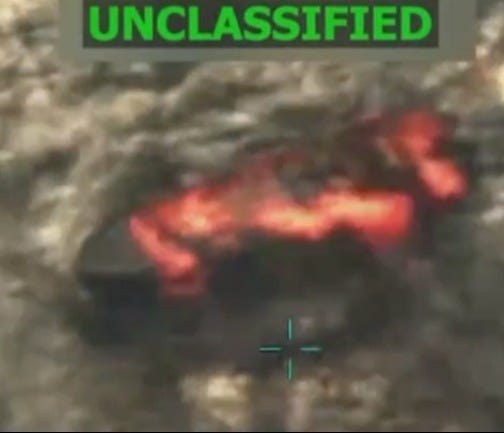
The US attacks on suspected “narco-boats” have disrupted - but not destroyed Caribbean drug-smuggling routes from Central and South America to the US and Europe, an analysis by both InSight Crime and WOLA has determined.
(Insight Crime has a staff of about 50 investigators working across the Americas and Europe, including reporters with years of on-the-ground experience; investigators with graduate degrees in Latin America, citizen security, and conflict studies; and experts in design, translation, and data analysis.
WOLA is a leading research and advocacy organization based in Washington, D.C., dedicated to advancing human rights, democracy, and social justice in the Americas.)
As of this month, those US military strikes have killed at least 80 people and destroyed at least 15 suspected drug-smuggling vessels in the Caribbean since the US began the attacks in September of last year.
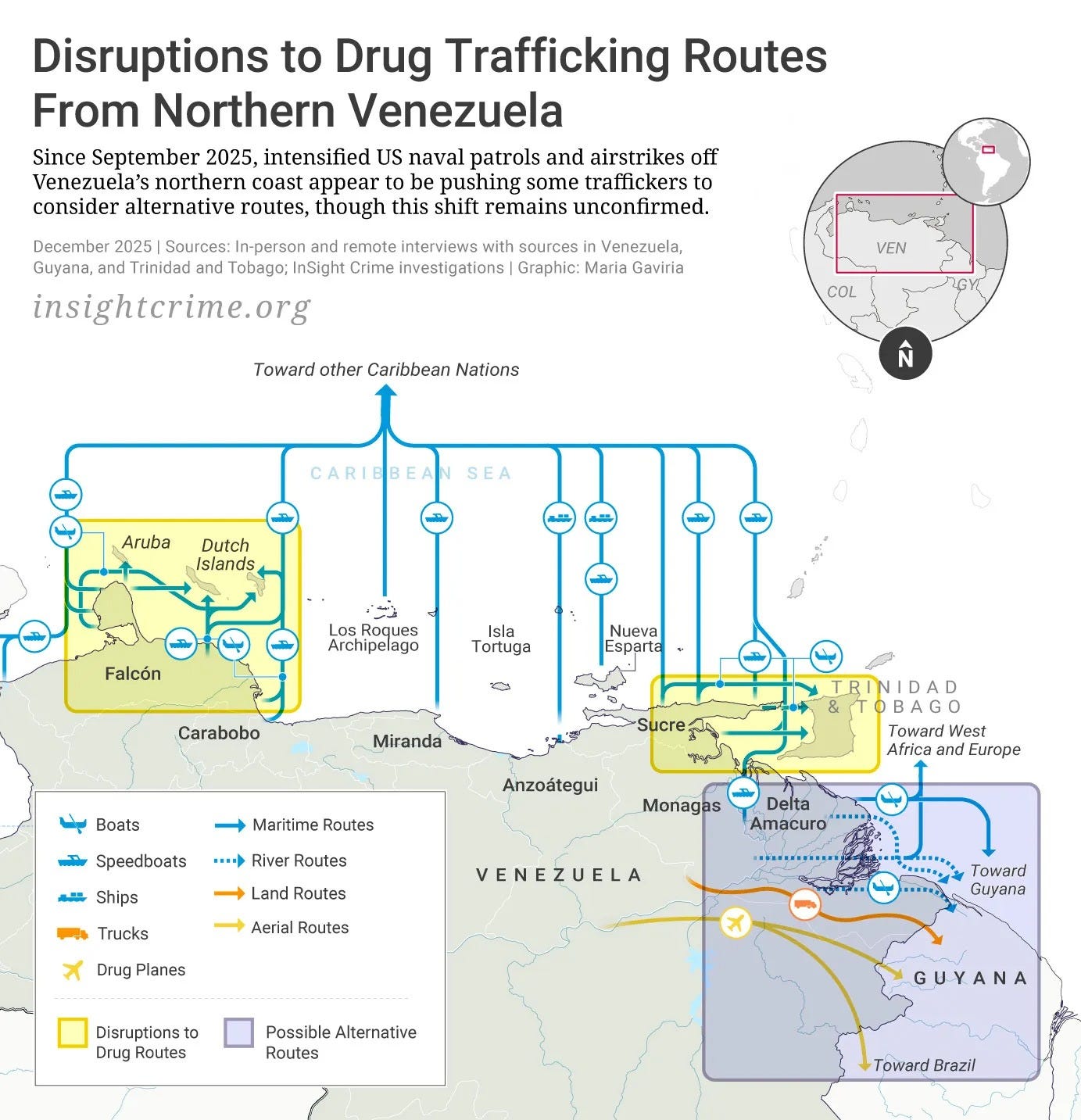
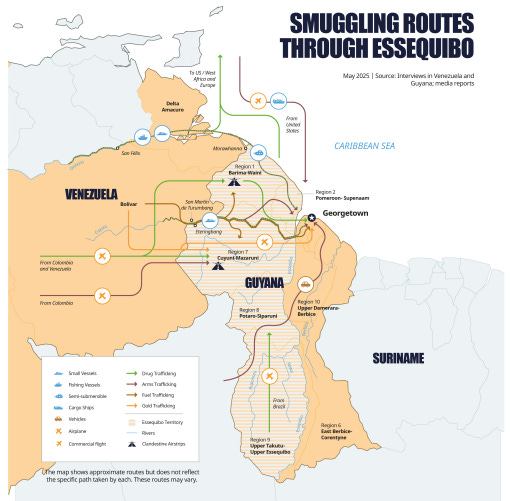
Insight Crime also notes that the disruption of those smuggling routes could be driving more cocaine trafficking from Venezuela into the Essequibo Territory of neighboring Guyana and Suriname.
Insight Crime also notes that “high-level traffickers rarely coordinate, much less pilot, the go-fast boats that transport drugs through the Caribbean. (Those involve) mid-level logistics networks contracted to move cocaine on a deal-by-deal basis. These groups recruit boat crews locally, often from local fishing communities.”
In other words, we are not killing drug kingpins, but low-level “mules” that are easily replaced. And so far, authorities in the Caribbean islands where these small boats often land aren’t seeing any evidence that the US strikes are discouraging those fishermen from making those far more lucrative drug runs.
A senior customs source in Trinidad and Tobago, speaking to InSight Crime on condition of anonymity, said that “overall flows remain steady,” adding drug shipments had been “diverted to less patrolled sea lanes, more isolated beaches, or via land transshipment points in small island nations.”
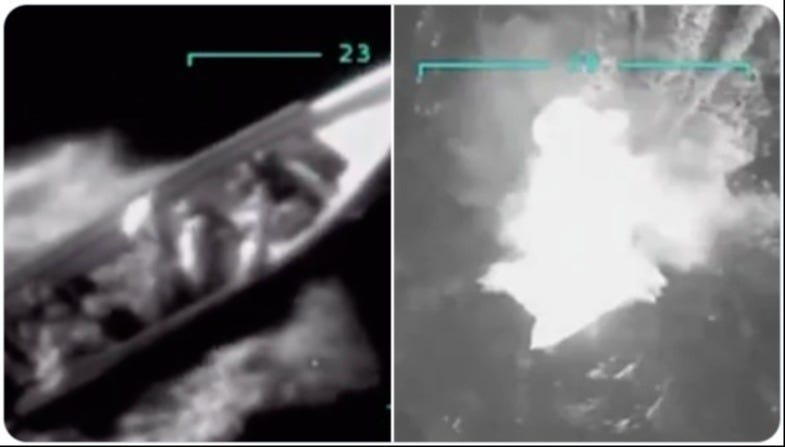
And even if the US strikes DID cut down on the number of go-fast boaters willing to risk their lives for a short smuggling run, Insight Crime notes that the drug organizations that use them can easily turn to “more discreet forms of transport, such as private yachts, which can crisscross Caribbean islands while blending in with tourism traffic.
Other alternatives to go-fast boats include fishing vessels and inter-island ferries that can hop between islands while carrying concealed cargo.”

As of Thursday, April 16, 2026, Insight Crime documented 52 strikes by the US military against suspected drug smuggling boats in both the Caribbean and Eastern Pacific, resulting in the deaths of more than 175 people. The map below shows the locations of those strikes.
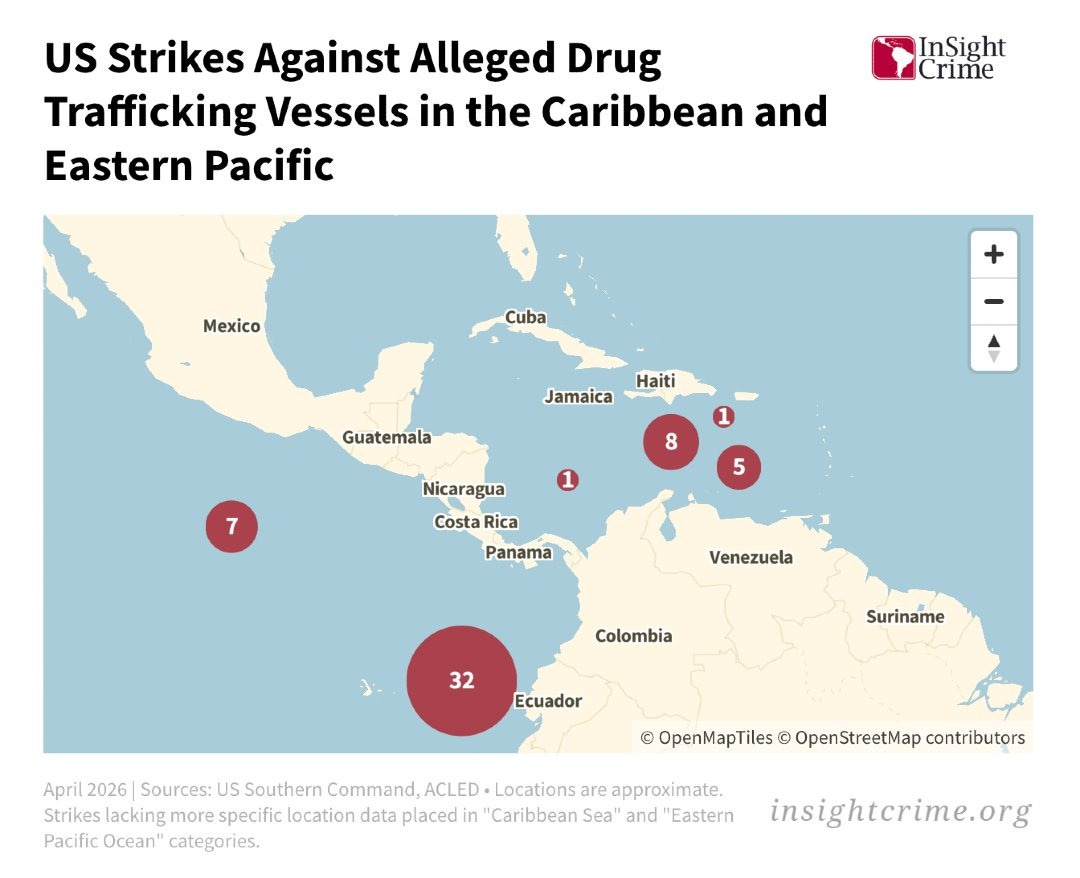
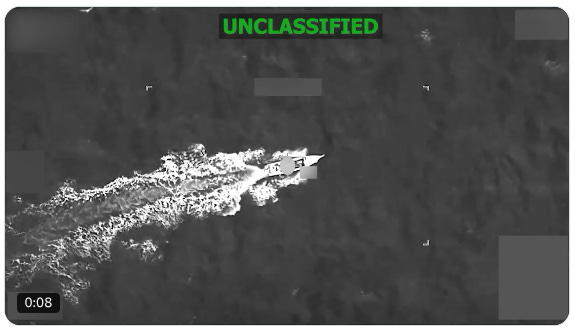
Meanwhile, those strikes continue. Since Insight Crime published that map, the US Southern Command announced another strike of a suspected drug smuggling boat in the Caribbean on Sunday, April 19, 2026, which killed three more people the Department of Defense characterized as ”narco-terrorists.”
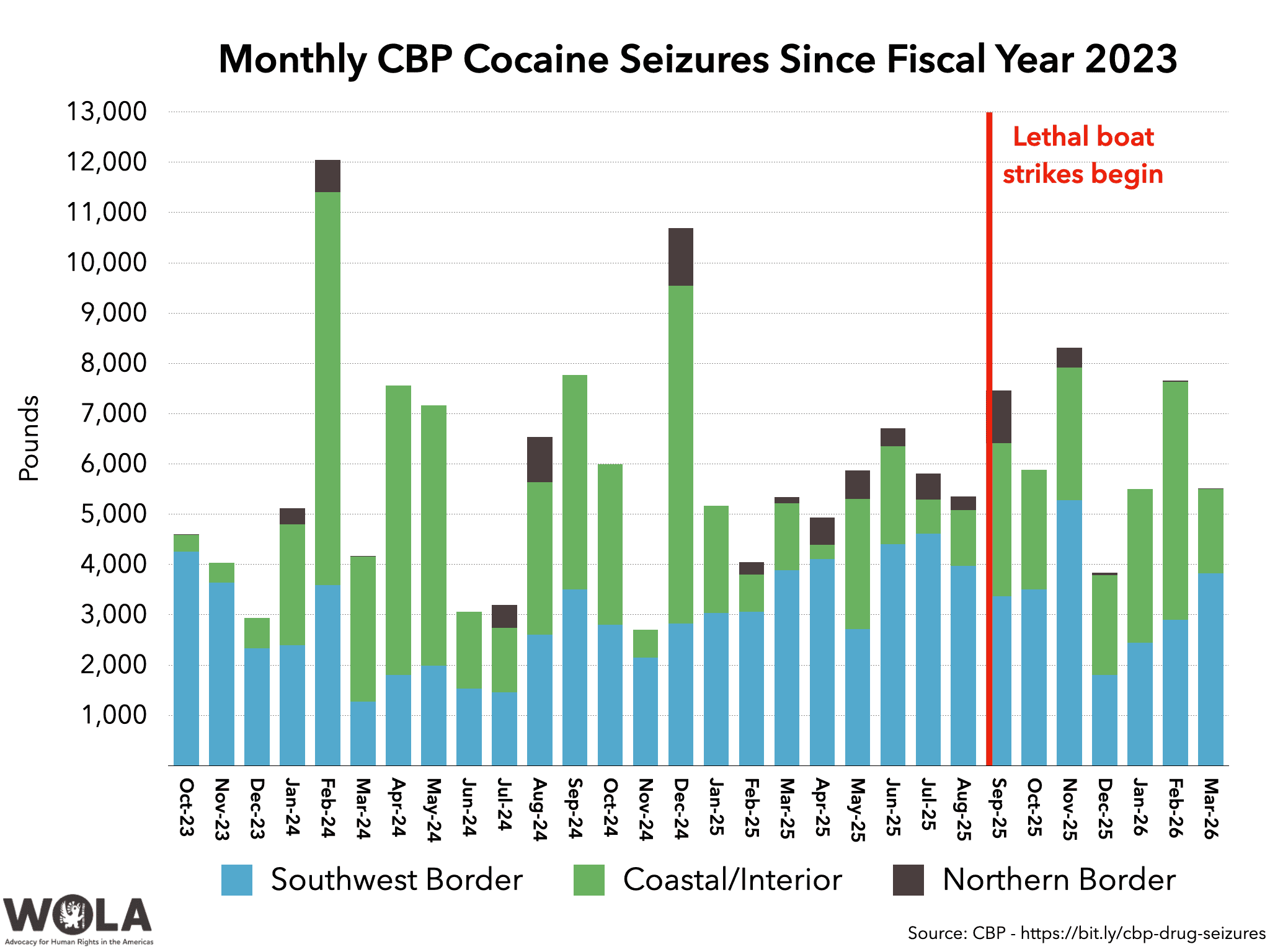
However, a separate analysis by WOLA.org could find “no apparent impact” on the amount of cocaine being seized by US Customs and Border Protection (CBP) since those boat strikes began:
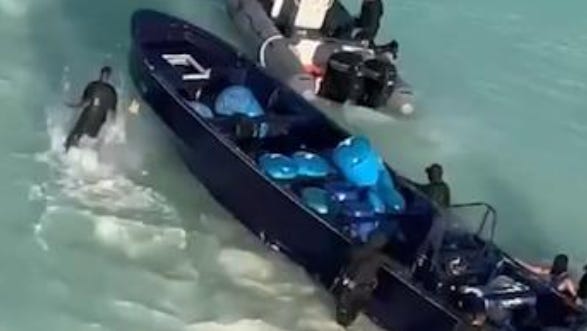
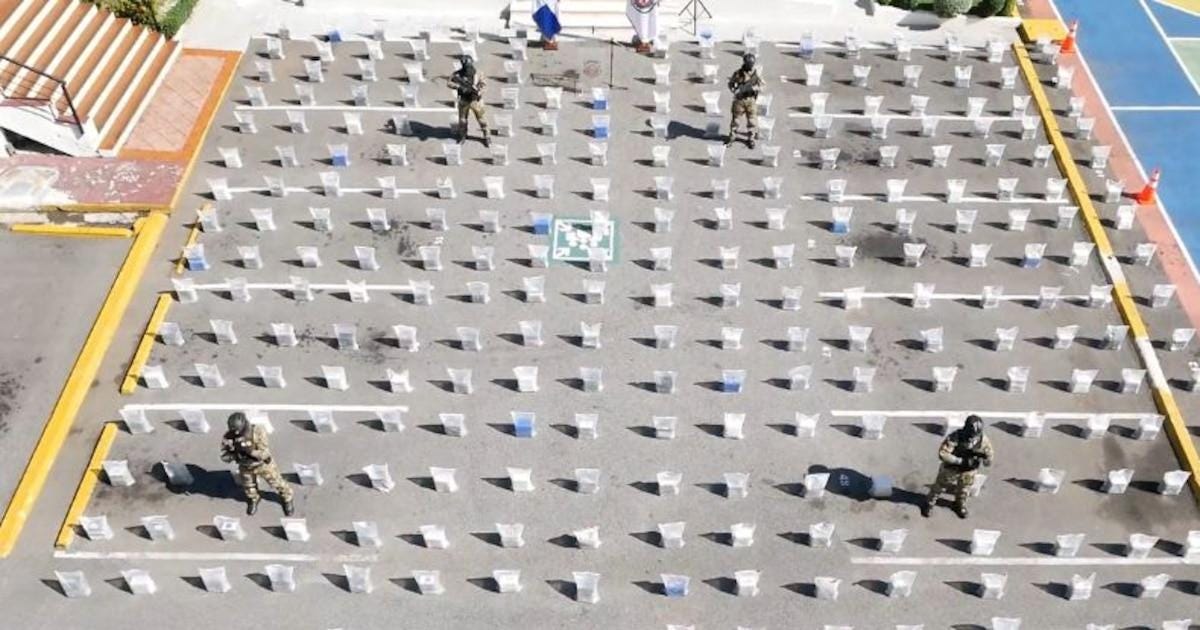
And, in another sign that the risk of attacks is not discouraging operators of these “go-fast” boats from making those financially lucrative smuggling runs, authorities in the Dominican Republic report the recent seizure of 1.6 tons of cocaine aboard a 32-foot boat equipped with twin 250-horsepower outboard engines, multiple fuel tanks, and advanced communication technology smugglers abandoned on a beach there after fleeing a brief firefight with law-enforcement officers.
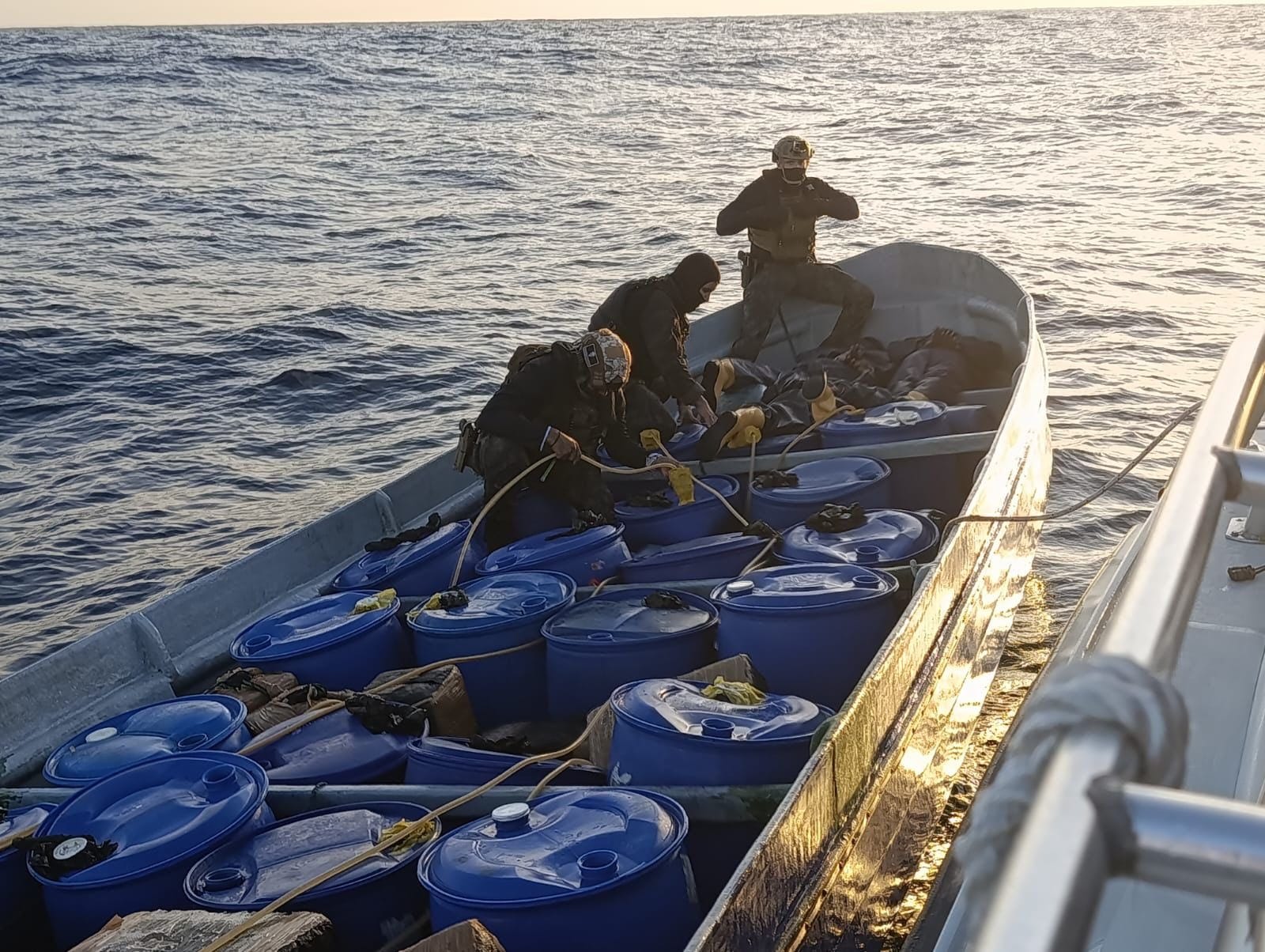
And, Costa Rica, this week, announced the seizure of a “go-fast” boat carrying 1,901 packages of cocaine along with the arrests of three smugglers.
Should the US continue to attack small smuggling boats in the Caribbean & Eastern Pacific?
Share your thoughts in the comments to this story!
Abrazos,
Jack Beavers


Jack, my answer is YES! It shows that the narco terrorists don't care about what happens to the drivers of the boats. They’re hoping for just one boat to get through. Thank you for keeping us Patriots informed.